
There is a famous beach, pier, nightlife and shopping streets in Brighton; however, there are also some places which are the most interesting for visitors and which are not located in the main tourist paths of this town. The Brighton Toy Museum, officially named Brighton Toy and Model Museum, is located underneath the Brighton train station in several Victorian arches. The collections of the museum include model railways, dolls, teddy bears, airplanes, construction toys, vehicles and mechanical toys from various periods. This attraction is suitable for families, collectors, model railway lovers and adults nostalgic about their childhood. This attraction is a perfect way to learn about engineering, designing, manufacturing and the social history of Great Britain.
- Why This Toy and Model Museum Stands Out
- Exhibits, Model Railways and Museum Photos
- Ticket Prices, Opening Times and Location
- Planning a Comfortable and Enjoyable Visit
- Benefits, Real-Life Uses, Pros and Cons
- Museum Shop, Jobs and London Comparisons
- (FAQs)
- 1. What can visitors see at Brighton Toy Museum?
- 2. Is the museum suitable for young children?
- 3. How long should visitors spend at the museum?
- 4. Where is the museum located?
- 5. Are family tickets available?
- Conclusion
Why This Toy and Model Museum Stands Out
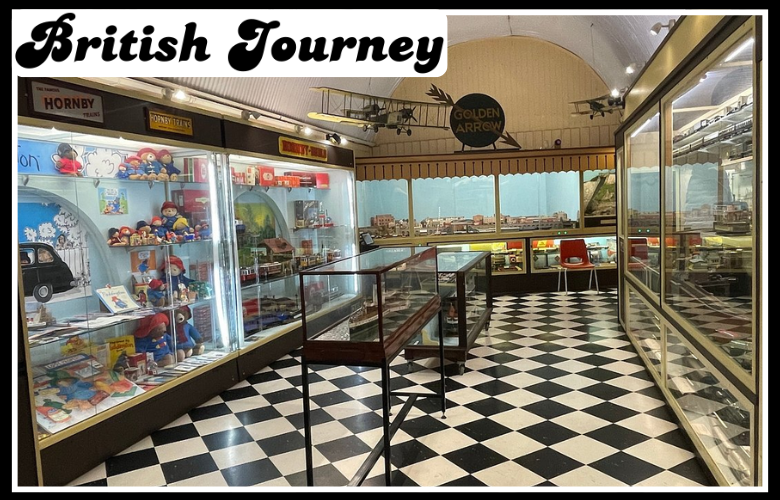
Brighton Toy and Model Museum opened in 1991 and operates as an independent registered charity. Its setting is one of its strongest features. The galleries occupy four Victorian arches beneath the station forecourt, giving the attraction an enclosed and historic atmosphere. Instead of entering a large modern building, visitors step into a series of curved brick spaces filled with miniature worlds. The position beneath a working railway station feels especially suitable because model trains form a major part of the collection. It is also convenient for day visitors, as the entrance is only a short walk from the station.
The displays draw from a core collection of more than 10,000 toys and models, along with items loaned by outside collectors. Many pieces represent the growth of British and European toy making from the Victorian period through the twentieth century. Visitors can see objects made from wood, painted metal, fabric and early plastics. These materials show how manufacturing methods, safety standards and consumer tastes changed over time. A toy car or model locomotive can therefore explain much more than childhood play. It can also reveal the technology, design ideas and commercial culture of the period in which it was produced.
People choose this attraction because it appeals to several generations at once. Children may focus on moving trains, bright vehicles and miniature scenes. Parents may recognise brands or styles from their own childhood, while grandparents can share memories of toys used before digital entertainment became common. The collection encourages natural conversations about family life, engineering, transport and changing habits. It also offers a calmer alternative to the pier, seafront and busy shopping areas. For visitors who enjoy history, careful observation and unusual independent attractions, the museum has a character that larger venues often struggle to match.
Exhibits, Model Railways and Museum Photos
The model railway layouts are among the most memorable exhibits. They contain locomotives, carriages, stations, bridges, houses, roads and detailed landscapes. Some trains move through miniature towns and countryside scenes, which often keeps younger visitors interested. Adults may notice smaller features such as period advertising, station furniture, uniforms and road vehicles. Railway enthusiasts can study the track, model scale and construction methods. Each layout combines engineering, electrical work, painting, architecture and storytelling, showing how a technical hobby can also become a detailed creative project.
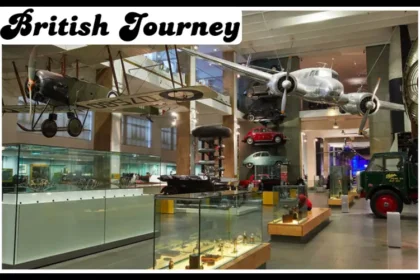
The collection extends well beyond trains. Visitors can see model cars, buses, ships, aircraft, dolls, teddy bears, puppets, construction systems and mechanical toys. A large quarter-scale Spitfire model hangs in the foyer, while a motorised Meccano Ferris wheel adds movement near the entrance. Doll’s houses show miniature furniture and household spaces, helping visitors compare earlier homes with modern life. Wind-up figures, gears and mechanical parts explain how toy makers created movement before batteries and computer chips became standard. Original boxes and advertising also show how products were presented to families.
People often search for Brighton Toy and Model Museum photos before planning a visit. Pictures can show the railway arches, packed cabinets and large models, but they rarely capture the smallest details or the atmosphere beneath the station. Visitors are generally allowed to take photographs without flash for personal, non-commercial use, provided they respect the privacy of others. The best approach is to take a few useful photographs without turning the visit into a race through every display. Looking slowly at the models usually reveals details that are easy to miss in online images.
Ticket Prices, Opening Times and Location
At the time of writing, adult admission is £10. Visitors aged 65 and over pay £8, students with valid identification and young people aged 19 to 25 pay £7, and children aged 5 to 18 pay £6. Children under five can enter free when accompanied by an adult. A family ticket for up to two adults and two children costs £20, while residents in BN1 to BN3 can receive an £8 local rate. Schools and groups of ten or more should arrange pricing directly with the museum before visiting.
The standard opening schedule is Tuesday to Friday from 10.00 am until 5.00 pm and Saturday from 11.00 am until 5.00 pm. Last admission is at 4.30 pm, and the museum is normally closed on Sunday and Monday. Hours can change for public holidays, maintenance, school bookings or special events, so checking shortly before travel is sensible. Most visitors should allow one to two hours. Families with young children may move through more quickly, while collectors and railway enthusiasts may want extra time to inspect individual objects and packaging.
The address is 52–55 Trafalgar Street, Brighton, BN1 4EB. The entrance is beneath Brighton railway station rather than inside the main passenger concourse. After leaving the station, visitors should look for the road descending under the arches towards Trafalgar Street. The location is useful for anyone arriving by train and makes the attraction easy to combine with North Laine, The Lanes, the Royal Pavilion and the seafront. Drivers should check city-centre parking before travelling, as spaces near the station can be limited or expensive during busy periods.
Planning a Comfortable and Enjoyable Visit
Most public areas have been adapted for wheelchair access, despite the limits of the Victorian building. An accessible toilet with a baby-changing table is available. However, the museum contains tight corners, and some larger mobility scooters may not be able to enter every gallery. Visitors with specific access needs should check arrangements before travelling and speak to staff on arrival. Families using pushchairs may also find a compact model easier to manage. A quieter weekday visit can provide more space and a slower pace.
The attraction is mainly a display museum rather than an indoor play centre. Most toys are protected inside cabinets because they are old, valuable or fragile. Parents should explain this before entering, especially to children expecting hands-on activities. Young visitors who already enjoy trains, vehicles, aircraft or miniature worlds are likely to remain interested for longer. Adults can create simple observation games, such as choosing the oldest-looking car, finding a favourite bear or spotting a model with moving parts. These activities make the visit more engaging without placing the collection at risk.
Useful planning tips include:
- Check current opening hours and ticket prices before travelling.
- Arrive well before the final admission time.
- Allow one to two hours for a relaxed visit.
- Look above eye level for suspended aircraft and larger models.
- Ask staff or volunteers about an object that interests you.
- Avoid flash when taking personal photographs.
- Combine the visit with nearby central Brighton attractions.
Benefits, Real-Life Uses, Pros and Cons
Families can use the visit as an informal learning experience. Model railways introduce transport, town planning and electrical movement. Construction sets show balance, support, wheels and gears. Doll’s houses reveal how furniture, kitchens and daily routines changed across generations. Parents do not need to deliver a formal lesson. Simple questions can encourage children to compare materials, explain how a wind-up toy moves or decide which design appears strongest. This kind of discussion builds observation and reasoning skills while keeping the experience relaxed and enjoyable.
The museum also works well for adults, students and creative professionals. Older visitors may reconnect with memories of relatives, birthdays or childhood homes. Product designers can study how toy makers balanced cost, appearance, strength and ease of use. Graphic designers may notice changes in packaging, colour and lettering. History students can examine toys as evidence of transport, family roles and consumer culture. Collectors can compare manufacturers, scales and production details that casual visitors may overlook. These different uses explain why the same collection can appeal to both families and specialists.
Its main strengths are the unusual setting, detailed collection, central location and appeal across age groups. The family ticket can provide reasonable value, and same-day re-entry allows visitors to take a refreshment break nearby. The main drawbacks are the compact layout and limited hands-on activity. Busy galleries may feel crowded, and children expecting a large play area could lose interest. Larger mobility scooters may face access limits. The experience is therefore best for people who enjoy careful observation, history, models and craftsmanship rather than fast entertainment.
Museum Shop, Jobs and London Comparisons
The museum shop is located in the foyer and also acts as a visitor information point. It sells entrance tickets as well as a changing selection of new and used books, postcards, toys, models and collectable items. The collectors’ market may interest enthusiasts looking for older railway pieces, model cars, ships or accessories. Stock can change, so a product seen in an old photograph may no longer be available. Buying a small souvenir or book also gives extra support to the charity and its work.
People searching for jobs at the Brighton attraction should remember that a small independent museum may not advertise permanent vacancies regularly. Roles can depend on funding and current needs. Volunteering is more common and may include shop support, marketing, publicity, online promotion, photography, graphic design, research, documentation and inventory work. Anyone interested in paid or voluntary work should look for a current official announcement and match their skills to the stated duties. Heritage work requires care, accuracy and respect for fragile objects, even when the role is mainly public-facing or digital.
Travellers researching a toy museum London experience may find larger national collections with broader exhibitions and more facilities. The Brighton venue offers something different: a compact specialist collection in a Victorian railway setting. It can be explored within part of a day and combined with the beach, Royal Pavilion or shopping areas. London may suit visitors seeking a large all-day museum, while Brighton is better for people already visiting the south coast or wanting a focused collection of toys and models. Serious enthusiasts may enjoy both because their scale, atmosphere and displays are not the same.
(FAQs)
1. What can visitors see at Brighton Toy Museum?
Visitors can explore model railways, vintage vehicles, aircraft, dolls, teddy bears, construction sets and mechanical toys. The displays represent different periods of British and European toy history.
2. Is the museum suitable for young children?
Yes, especially for children who enjoy trains, cars and miniature scenes. However, it is mainly a display attraction, so most historic objects cannot be touched or used for play.
3. How long should visitors spend at the museum?
Most visitors need around one to two hours to explore the galleries comfortably. Collectors and railway enthusiasts may wish to stay longer to examine the smaller details.
4. Where is the museum located?
It is located on Trafalgar Street beneath Brighton railway station. Its central location makes it convenient for visitors arriving by train or exploring nearby city attractions.
5. Are family tickets available?
Family admission options are normally available and may offer better value than purchasing separate tickets. Visitors should confirm the latest prices and ticket conditions before travelling.
Conclusion
On the whole, the museum presents an amazing mixture of history, art, engineering, and childhood memories in a very unique setting under the Brighton train station. With its model railways, antique cars, dolls, teddy bears, building sets, and mechanical toys, the museum will surely be appealing to kids, grown-ups, collectors, and lovers of trains. Although the small galleries will not appeal to those who were hoping for a large interactive play center, they will definitely appeal to those who appreciate details and well-researched displays. With its convenient location, it will also be easy to visit North Laine, The Lanes, the Royal Pavilion, or the seafront together with the museum.