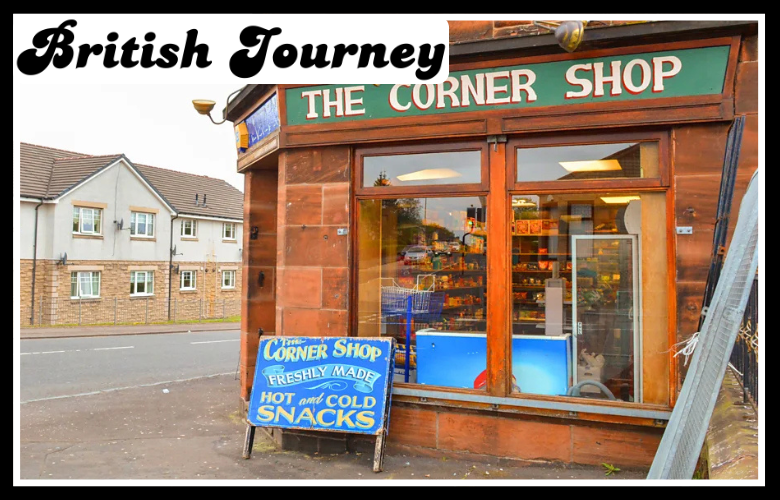

The corner shop is a small-scale retail business that serves an important role in society. corner’s shops are always situated within residential areas; this enables consumers to easily purchase goods from these shops as they are close to their homes. The types of products available in such shops include basic necessities such as foodstuffs, snacks, drinks, and other items. In contemporary life where people are very busy, consumers are interested in visiting places that make shopping easy and fast. These shops provide convenience for urgent or unforeseen demands.
- History and Development of Local Convenience Stores
- Why Local Stores Remain Important in Modern Life
- Products and Services Available in Local Stores
- Economic and Social Importance of Local Stores
- Challenges Faced by Small Retail Businesses
- Future of Local Convenience Stores in a Digital Era
- (FAQs)
- What is a corner shop?
- What products can you find in a corner shop?
- Are local convenience stores still popular today?
- How do small neighborhood stores support local communities?
- Can these stores compete with supermarkets?
- Conclusion
History and Development of Local Convenience Stores
Local retail stores have existed for centuries. Before supermarkets and shopping malls, people depended on small neighborhood shops for daily necessities. These stores sold food, household items, and basic goods needed for everyday living.
Shopkeepers were often part of the local community. They knew their customers personally and built strong relationships over time. This created trust and loyalty between buyers and sellers.
As retail industries developed, supermarkets and large chains became popular. Despite this change, small shops adapted by improving their services. They extended opening hours, added more product variety, and modernized payment systems. Many also introduced packaged goods and branded products to compete effectively.
Why Local Stores Remain Important in Modern Life
A corner shop remains important because it provides unmatched convenience. Customers can quickly buy essential items without traveling long distances or waiting for deliveries. This is especially helpful for elderly people, busy workers, and families with urgent needs.
Another important reason is accessibility. These stores are often located within walking distance of homes. This makes them ideal for last-minute shopping or small daily purchases.
Personal service also plays a major role. Store owners often know regular customers and understand their preferences. This creates a friendly environment that encourages repeat visits and customer loyalty.
Products and Services Available in Local Stores
Modern convenience stores offer a wide range of products. Customers can find groceries, snacks, beverages, cleaning products, and personal care items in one place. This makes shopping quick and simple.
Many stores have also expanded their services beyond retail. They now offer mobile top-ups, parcel collection, bill payments, and even local delivery options. These services help increase customer convenience and store value.
Common Products Found in Local Shops
- Fresh groceries like milk, bread, and eggs
- Snacks, chocolates, and confectionery
- Soft drinks, juices, and bottled water
- Cleaning and household essentials
- Personal hygiene and care products
- Newspapers and magazines
- Frozen and ready-to-eat foods
Economic and Social Importance of Local Stores
Local stores contribute significantly to the economy. When people shop locally, money stays within the community. This helps support small businesses, suppliers, and local workers.
They also create job opportunities for residents. Many stores are family-owned, supporting long-term local employment.
Socially, these stores act as community hubs. People meet, talk, and interact during daily visits. This helps build stronger neighborhood relationships and reduces social isolation, especially among elderly residents.
Ways Local Stores Support Communities
- Create local employment opportunities
- Support small suppliers and producers
- Strengthen neighborhood relationships
- Improve access to essential goods
- Encourage local economic growth
Challenges Faced by Small Retail Businesses
Despite their importance, small stores face several challenges. One major issue is competition from supermarkets and online retailers. These larger businesses often offer lower prices and wider product ranges.
Rising costs are another challenge. Rent, electricity, and inventory expenses can reduce profit margins for small business owners. This makes it harder to operate successfully.
Consumer behavior is also changing. Many people prefer online shopping due to home delivery and discounts. To stay competitive, local shops must continuously adapt and improve their services.
Future of Local Convenience Stores in a Digital Era
The future of local retail businesses remains positive. People still value convenience, especially for urgent and everyday purchases. This ensures continued demand for nearby stores.
Technology is playing a major role in their growth. Many stores now use digital payment systems, mobile apps, and online ordering platforms. These tools help improve customer experience and business efficiency.
Sustainability is also becoming important. Customers prefer eco-friendly packaging and locally sourced products. Stores that adopt these practices are more likely to succeed in the long term.
Key Facts About Local Stores
- Millions of people visit convenience stores daily worldwide
- Many shops are family-owned businesses
- They play a key role in local economies
- Convenience shopping is growing globally
- They remain essential for emergency purchases
(FAQs)
What is a corner shop?
A small local retail store that sells everyday essentials such as groceries, snacks, drinks, and household items, usually located in residential areas for easy access.
What products can you find in a corner shop?
Most stores offer groceries, beverages, snacks, dairy products, cleaning supplies, and personal care items in one place.
Are local convenience stores still popular today?
Yes, they remain popular due to their convenience, accessibility, and personalized customer service compared to larger retail stores.
How do small neighborhood stores support local communities?
They create jobs, support local suppliers, and help keep money circulating within the local economy, strengthening community growth.
Can these stores compete with supermarkets?
Yes, they compete by focusing on convenience, location, and customer relationships rather than large product variety.
Conclusion
In conclusion, a corner shop is a necessary facility in our lives. A corner’s shop supplies all the basic items from food to other necessary things and makes our life much more comfortable. Despite the development of the modern world and the popularity of big stores and e-commerce sites, corner’s shops still have significant advantages that make them valuable for us. corner’s shops are beneficial not only because they provide us with necessary goods but also because they create job opportunities for people living nearby and bring money into the economy of the region.