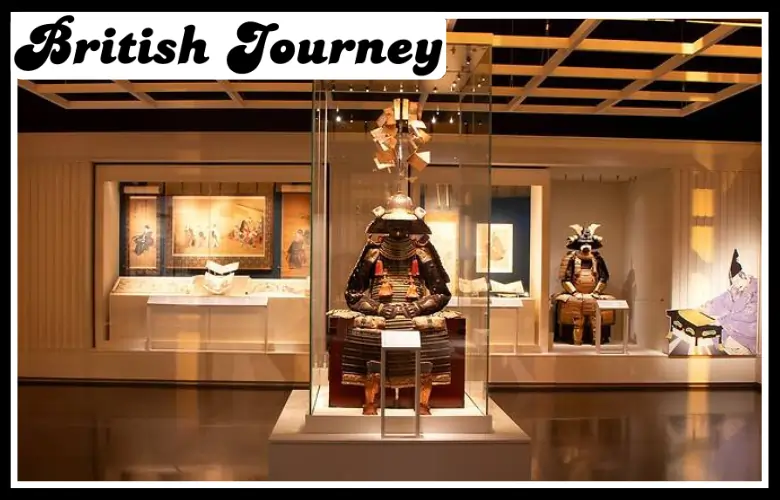

The British Museum’s samurai exhibition shows off the amazing world of Japan’s famous warrior class, covering nearly a thousand years of history. With a range of stuff like armor, swords, books, and other artifacts, it shows how samurai warriors didn’t just shape society and politics, but they also drove art and culture. This exhibit busts some myths and presents samurai as scholarly leaders and cultural figures too. It makes history come alive and connects old traditions to today’s interests, making it a must-see for those curious about Japanese heritage and history.
- The Rise of the Samurai in Japanese History
- Samurai Armor and Weapons: Craftsmanship and Power
- Bushido The Ethical Foundation of Samurai Life
- Life Beyond the Battlefield: Culture and Daily Practice
- Why This Exhibition Attracts Global Attention
- Educational Value and Visitor Experience
- Fascinating Samurai Facts
- (FAQs)
- 1. What is the British Museum samurai exhibition about?
- 2. Why are samurai important in Japanese history?
- 3. What can visitors see in the exhibition?
- 4. What is Bushido in samurai culture?
- 5. Are samurai only known as warriors?
- Conclusion
The Rise of the Samurai in Japanese History
The samurai class began emerging during early feudal Japan, particularly in the Heian period. Initially, they were hired as local protectors for aristocratic families and landowners. As political instability increased, their importance grew rapidly.
Over time, samurai became the dominant military force in Japan. Their influence expanded beyond the battlefield into governance and administration. They eventually formed the backbone of the shogunate system, which ruled Japan for centuries.
This transformation shows how a regional warrior group evolved into a powerful ruling class that shaped the nation’s political and cultural identity.
Key stages in samurai development
- Local warriors serving noble families
- Rise during periods of civil conflict
- Formation of military governments (shogunate)
- Expansion into political leadership roles
- Integration into Japanese cultural identity
Samurai Armor and Weapons: Craftsmanship and Power
One of the most impressive sections of the exhibition is the display of authentic samurai armor and weapons. These artifacts reflect both practical military needs and artistic craftsmanship.
Samurai armor was made using iron plates, leather, silk cords, and lacquer. Each suit was uniquely designed to represent the warrior’s identity, family status, and rank. Helmets often featured dramatic designs such as horns, crests, and symbolic emblems.
The katana sword stands as the most iconic weapon associated with samurai culture. It was forged using advanced techniques that required exceptional skill and precision. Samurai believed the sword represented their soul, making it both a weapon and a spiritual object.
Highlights of samurai craftsmanship
- Hand-forged katana swords
- Ornamental helmets with symbolic designs
- Full suits of layered armor
- Traditional bows, spears, and early firearms
- Decorative sword fittings and mounts
- Ceremonial armor used in rituals
Bushido The Ethical Foundation of Samurai Life
Bushido, meaning “the way of the warrior,” was the moral code that guided samurai behavior. It emphasized loyalty, courage, respect, discipline, and honor. These principles shaped not only warfare but also everyday life.
Samurai were expected to serve their lords with absolute loyalty and maintain personal integrity in all situations. Failure to follow Bushido was considered dishonorable and could result in severe consequences.
Historical documents and cultural objects in the exhibition help explain how deeply this code influenced Japanese society. Even today, its values continue to inspire leadership, discipline, and ethical behavior.
Core principles of Bushido
- Loyalty and obedience
- Courage in adversity
- Honor above life
- Self-discipline and control
- Respect for others
- Moral integrity
Life Beyond the Battlefield: Culture and Daily Practice
Samurai were not only warriors but also deeply involved in cultural and intellectual life. Many were educated individuals who engaged in poetry, literature, and philosophy. This balance between martial skill and cultural refinement was highly valued.
The exhibition shows how samurai contributed to Japanese arts and traditions. Items such as calligraphy scrolls, paintings, and ceremonial objects reveal their artistic interests and refined lifestyle.
Women in samurai families also played important roles in managing households, preserving traditions, and sometimes receiving martial training. This broader perspective helps visitors understand the full structure of samurai society.
Cultural contributions of samurai
- Poetry and literature creation
- Calligraphy and painting practices
- Governance and administrative roles
- Preservation of family heritage
- Participation in rituals and ceremonies
- Education within warrior households
Why This Exhibition Attracts Global Attention
The exhibition stands out because it presents a complete and balanced view of samurai history. Instead of focusing only on battles, it explores politics, culture, philosophy, and daily life.
Another reason for its popularity is the rarity and quality of the artifacts displayed. Many objects are centuries old and preserved in remarkable condition, offering direct insight into Japan’s historical past.
Modern audiences are also drawn to samurai culture because of its influence on films, literature, anime, and video games. This connection between history and popular culture makes the exhibition especially engaging.
Key reasons for popularity
- Rare and authentic historical artifacts
- Strong visual storytelling experience
- Balanced historical interpretation
- Educational value for all age groups
- Connection to modern media and culture
- Insight into Japanese traditions
Educational Value and Visitor Experience
The exhibition is highly valuable for students, researchers, and history enthusiasts. It provides a structured understanding of Japan’s political systems, military history, and cultural development.
Visitors can learn how samurai shaped governance, influenced society, and contributed to Japan’s long-term development. The displays make complex historical topics easier to understand through visual and contextual presentation.
The exhibition also encourages reflection on universal values such as honor, responsibility, and leadership, making it relevant to modern life.
What visitors gain
- Understanding of samurai history
- Insight into Bushido philosophy
- Knowledge of Japanese governance systems
- Appreciation of cultural achievements
- Awareness of military evolution
- Connection to modern values
Fascinating Samurai Facts
To make the experience more engaging, the exhibition also highlights interesting historical facts about samurai culture.
Key facts
- Samurai ruled Japan for centuries
- Many were poets and scholars
- The katana symbolized honor and identity
- Armor reflected rank and family heritage
- Bushido shaped moral behavior
- Samurai influence continues in modern culture
(FAQs)
1. What is the British Museum samurai exhibition about?
It is a cultural exhibition that explores the history, lifestyle, and legacy of Japan’s samurai warriors. It showcases armor, weapons, manuscripts, and artifacts that explain how samurai influenced Japanese society for centuries.
2. Why are samurai important in Japanese history?
Samurai were elite warriors who played a key role in politics, warfare, and governance. They helped shape Japan’s feudal system and maintained order through loyalty, discipline, and military strength.
3. What can visitors see in the exhibition?
Visitors can see authentic samurai armor, katana swords, helmets, historical documents, paintings, and cultural objects that represent different periods of Japanese history.
4. What is Bushido in samurai culture?
Bushido is the ethical code followed by samurai. It emphasizes values like honor, loyalty, courage, discipline, and respect, guiding both their personal and professional lives.
5. Are samurai only known as warriors?
No, samurai were also scholars, administrators, poets, and cultural contributors. The exhibition highlights their roles beyond warfare and shows their influence on Japanese art and society.
Conclusion
The British Museum’s samurai exhibition takes you on a powerful and immersive trip into the history and impact of Japan’s most famous warriors. Authentic armor, weapons, and cultural items show the depth and complexity of samurai life. Visitors learn about their roles as fighters, leaders, and cultural influencers in Japanese society for centuries. The show also spotlights Bushido—how those values still affect us today. In the end, it connects history, art, and philosophy, making for an enriching experience. You leave with a greater appreciation for Japan’s rich samurai heritage and its lasting cultural identity.