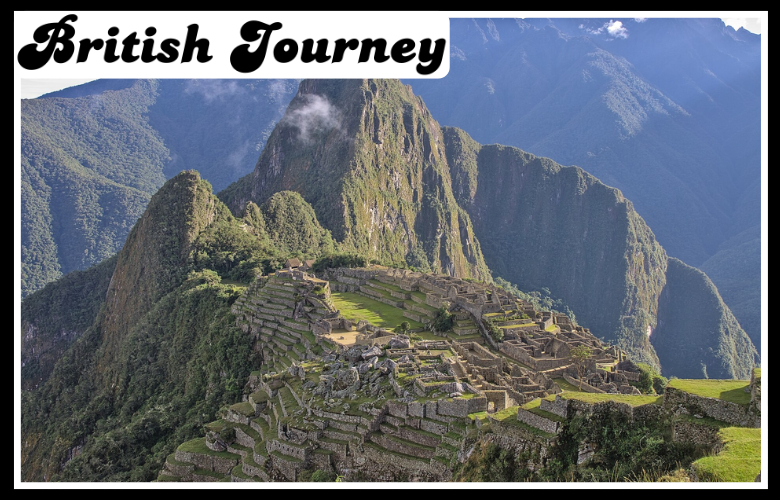

The Machu Picchu in Peru is one of the most amazing archaeological sites in the whole world, being characterized by a rich history, superior engineering and stunning Andean landscape. Being located on a mountain peak overlooking the valley of Urubamba River, the unique site of Machu Picchu includes stone temples, agricultural terraces, residential structures, ceremonial zones and waterways. The mountain location has preserved many features of this ancient site intact while offering an exciting adventure for tourists. Nonetheless, to visit this place successfully, it is necessary to plan your visit, choosing the appropriate season, entrance circuit, way of transport and time needed for acclimatization. This guide will tell you about the history of the site, its construction, sights, climate, map, photography, holidays planning and travel tips.
- What Makes Machu Picchu Special?
- Location and Natural Surroundings
- Weather Conditions and What to Pack
- How to Plan Your Machu Picchu Trip
- Transport Options to Machu Picchu
- Tickets and Entrance Circuits
- Frequently Asked Questions
- 1. What is Machu Picchu Peru?
- 2. When was Machu Picchu built?
- 3. What is the best time to visit?
- 4. How many days are needed for the trip?
- 5. Can visitors explore without a guide?
- Conclusion
What Makes Machu Picchu Special?
Machu Picchu is special because it combines history, nature, and advanced building skills. The Incas created a complete city in a challenging mountain area. They used the shape of the land to design strong structures instead of changing the environment. This careful approach helped the city survive for many centuries.
The site includes temples, houses, terraces, fountains, stairways, and open spaces. Each area had a purpose in Inca society. Some places supported daily life, while others had religious or royal importance. The careful organisation of the city shows the advanced planning skills of Inca builders.
Many historians believe Machu Picchu served as a royal estate connected with Pachacuti, one of the most powerful Inca rulers. The city may have been used for ceremonies, farming, and peaceful retreats for important members of the empire. Although researchers still study its exact purpose, its cultural value remains clear.
Location and Natural Surroundings
Machu Picchu Peru sits about 2,430 metres above sea level between the Andes Mountains and a tropical cloud forest. The surrounding landscape creates a dramatic view of green mountains, deep valleys, and flowing rivers. This natural setting is one reason why the site feels different from other historic places.
The Incas carefully selected this location because it offered both practical and spiritual benefits. The mountains provided protection, while the nearby river and fertile land supported life. The natural environment became part of the city’s design and meaning.
The relationship between the ruins and the landscape remains one of Machu Picchu’s greatest attractions. Visitors do not only see old stones and buildings. They experience a place where architecture, nature, and Inca beliefs connect together.
Best Time to Visit and Travel Planning
Choosing the best time to visit Machu Picchu Peru depends on what type of experience you want. Some travellers prefer clear skies and comfortable walking conditions, while others enjoy fewer visitors and greener mountain views. The dry season from May to October is the most popular time because rainfall is usually lower and the weather is more predictable.
June, July, and August attract the largest number of visitors because many people travel during holiday periods. These months often provide excellent views, but they also bring bigger crowds and higher prices. Travellers should book tickets, hotels, and transport early if they plan to visit during the busy season.
The months of April, May, September, and October can offer a good balance. The weather is often pleasant, and visitor numbers are usually lower than during the busiest months. These periods allow travellers to enjoy the ruins with a more relaxed atmosphere.
Weather Conditions and What to Pack
Machu Picchu has a mountain climate, so weather conditions can change quickly. Mornings may feel cool, while the afternoon sun can become strong. Rain, clouds, and sunshine can appear within a short period, even during the same day.
The rainy season usually lasts from November to March. During this time, the landscape becomes bright green, and clouds often create a dramatic view around the mountains. However, heavy rain can make paths slippery and may sometimes affect transport services.
Travellers should pack clothing that works for different conditions. Comfortable walking shoes, a light waterproof jacket, sunscreen, sunglasses, and a small backpack are useful items. Wearing layers makes it easier to adjust to temperature changes during the visit.
How to Plan Your Machu Picchu Trip
A successful Machu Picchu trip requires planning before arrival. Most visitors begin their journey in Lima, the capital of Peru, and then travel to Cusco. Cusco is the main starting point for trips to Machu Picchu and the Sacred Valley.
Spending time in Cusco before visiting the ruins is helpful because the city sits at high altitude. Allowing your body to adjust can make the experience more comfortable. Visitors can also explore Cusco’s markets, museums, and historic streets before continuing their journey.
A simple travel plan can help organise the main steps of the trip:
- Day 1: Arrive in Cusco, rest, and explore nearby areas.
- Day 2: Visit Cusco attractions and continue adjusting to the altitude.
- Day 3: Explore the Sacred Valley and travel toward Ollantaytambo.
- Day 4: Take the train to Aguas Calientes and prepare for Machu Picchu.
- Day 5: Visit Machu Picchu and return by train.
- Day 6: Continue exploring Peru or return to your next destination.
Transport Options to Machu Picchu
Most travellers reach Machu Picchu through Cusco and the Sacred Valley. From Cusco, visitors can travel by road or train toward Aguas Calientes, the town located below the ruins. The train journey offers beautiful views of mountains, rivers, and rural landscapes.
Aguas Calientes is the main access point for Machu Picchu. From the town, visitors usually take a shuttle bus to the entrance of the archaeological site. The road climbs through the forest and provides impressive views along the way.
Some travellers choose hiking routes instead of trains. The famous Inca Trail and other mountain routes offer a more adventurous experience. However, hiking requires good preparation because the paths include steep climbs, changing weather, and high-altitude conditions.
Tickets and Entrance Circuits
Machu Picchu uses a controlled entry system to protect the ancient site. Visitors must buy an entrance ticket before arrival, and each ticket follows a specific circuit. These routes guide travellers through different parts of the ruins.
Choosing the correct circuit is important because not every ticket includes the same areas. Some routes focus on famous viewpoints, while others provide access to temples, terraces, and lower sections of the city.
Travellers should check the latest ticket information before planning their visit. Booking early is recommended, especially during the busiest months. Good preparation helps visitors enjoy the experience without unnecessary problems.
Frequently Asked Questions
1. What is Machu Picchu Peru?
It is a fifteenth-century Inca settlement in the Cusco region, featuring temples, terraces, homes, plazas and advanced water systems.
2. When was Machu Picchu built?
Most historians believe construction began around the 1450s during the reign of Pachacuti, one of the most influential Inca rulers.
3. What is the best time to visit?
April to October usually offers drier weather and clearer views, while May, September and October may have fewer visitors.
4. How many days are needed for the trip?
Allow four to six days for acclimatisation in Cusco, Sacred Valley exploration, transport connections and the archaeological visit.
5. Can visitors explore without a guide?
Yes, independent visits are allowed, but an experienced guide can explain the history, architecture and cultural importance more clearly.
Conclusion
To conclude, this old Inca town is one of the most fascinating cultural and travel destinations in the world. The ruins of its temples, terraces, waterways and expertly built stones reflect the wisdom of a culture that knew not only the techniques of engineering but also of nature. Despite the need for advanced preparations in terms of booking, altitude training and careful planning of the route, the cultural significance and the beautiful mountains will certainly make all efforts worthwhile. Travellers should also allocate enough time to Cusco and the Sacred Valley, which are important for gaining more insight into their stay.