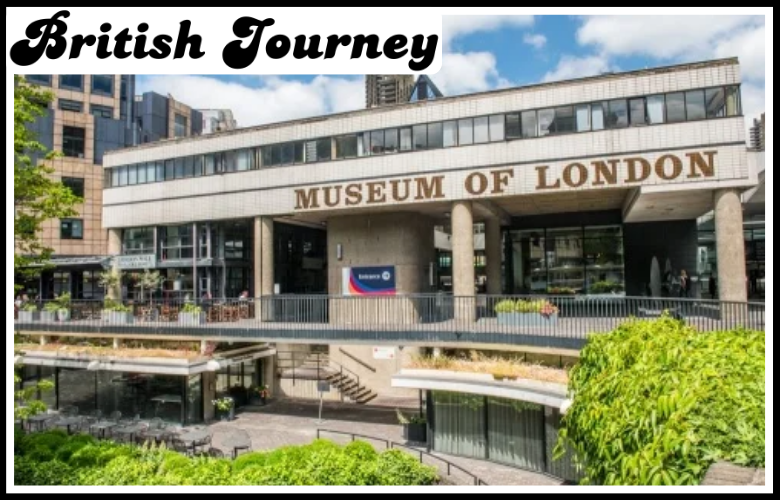

The Museum of London is one of those venues that provide an exciting experience for the exploration of history of the capital city starting from prehistoric periods, Roman Londinium until today. The collections in the museum include archaeological items, objects from social history, fashion history, and fine arts, and all these help in understanding how the city has developed and changed over thousands of years. The items presented in the exhibits tell stories of the people who have been living, working and traveling through museums of London the city. This makes the museum interesting not only for tourists but also for the residents of London.
- What Is the Museum of London and Why Does It Matter?
- Museum of London History and the Former Barbican Location
- Museum of London Building and the New Smithfield Site
- Museum of London Map, Location and Transport
- Opening Times, Tickets and Free Entry
- Museum of London Reopening and What to Expect in 2026
- London History, Collections and Major Things to See
- (FAQs)
- 1. What can you see at the Museum of London?
- 2. Is the museum suitable for families?
- 3. How long does a visit usually take?
- 4. What periods of history are covered?
- 5. Is it suitable for history lovers?
- Conclusion
What Is the Museum of London and Why Does It Matter?
The Museum of London tells the story of the capital through objects, archaeology, photographs, documents and works of art. Its collection covers thousands of years. Visitors can learn about prehistoric settlements, Roman Londinium, medieval London, the Great Fire, Victorian society and modern city life. The museum does not focus only on famous people. It also shows how ordinary Londoners lived and worked.
This makes the museum different from many other attractions in the capital. A historic object can reveal what people wore, ate or used at home. An archaeological discovery can show how a street looked hundreds of years ago. Old photographs can explain how neighbourhoods changed. These details help visitors see London as a living city with many different stories.
The collection contains around seven million objects. It covers about 450,000 years of London’s history and includes material from all 33 London boroughs. The organisation changed its public name to London Museum in 2024. However, many people still use the older name when searching online. The institution continues to collect, protect and explain the history of the capital.
Museum of London History and the Former Barbican Location
The institution has a strong connection with the London Wall. Its former building at 150 London Wall opened in 1976. The site stood close to the Barbican and the City of London. Its galleries covered major periods in the capital’s past. These included Roman London, medieval life, the Great Fire, Victorian London and more recent history.
People searching for a museumof london Barbican usually mean this former location. The building stood outside the Barbican complex, but it was very close to it. Barbican Underground station was around five minutes away on foot. St Paul’s Cathedral and other City attractions were also nearby. This made the old museum easy to include in a central London sightseeing trip.
The former site closed to visitors on 4 December 2022. The closure allowed the organisation to prepare for its move to Smithfield. The old building no longer operates as a normal public museum. It can still be used for venue hire. This is important for visitors because many older articles and travel guides still show the London Wall as the main museum address.
Museum of London Building and the New Smithfield Site
The new museum is taking shape inside the historic Victorian General Market at Smithfield. The building has a strong connection with London’s past. Instead of removing the historic structure, the project restores it and gives it a new purpose. The market building will provide space for permanent galleries, public areas and modern visitor facilities.
The restoration has included major work on the historic structure. Workers have cleaned large areas of brickwork and strengthened the roof. They have also brought old underground vaults into the new visitor experience. These features give the museum a strong sense of place. Visitors will not only see London’s history inside the building. They will also experience part of the history of Smithfield itself.
The museum of london building at Smithfield will include an unusual railway feature. A large viewing window will allow visitors to see trains travelling along the Thameslink line. This creates an interesting link between old and new London. The site is at Smithfield, London EC1 9AG. Farringdon is one of the key transport points for people travelling to the new museum.
Museum of London Map, Location and Transport
Anyone looking for a museum of london maps should first check which location they mean. Older maps may show the former building at London Wall. That site is now closed to normal visitors. The new museum will be at Smithfield. This change is one of the most important details to remember when planning a visit.
The Smithfield site sits in a central part of London. Farringdon offers a useful transport connection because it serves National Rail, Thameslink and the Elizabeth line. Visitors can also walk to the area from other central locations. The museum’s location makes it possible to combine a visit with other City attractions, historic streets and landmarks.
London Museum Docklands is another option for visitors who want to explore the collection before the Smithfield opening. The museum sits inside the historic No. 1 Warehouse at West India Quay. Its galleries focus on the River Thames, London’s docks, trade and the communities linked with the port. West India Quay and Canary Wharf stations provide easy access to the site.
Opening Times, Tickets and Free Entry
Searches for museum of london opening times can give different answers. This happens because the old London Wall site, the new Smithfield museum and London Museum Docklands have different arrangements. The former London Wall attraction is closed to visitors. The Smithfield permanent galleries are scheduled to open on 28 November 2026.
London Museum Docklands currently opens every day from 10am to 5pm. General entry to its permanent galleries is free. The site gives visitors a chance to explore London’s history while the Smithfield project continues. It is especially useful for people interested in the River Thames, shipping, trade and the growth of London’s Docklands.
Many visitors also ask, is the museum of london free? The permanent galleries at the new Smithfield museum will offer free general admission. London Museum Docklands also provides free entry to its main galleries. Some events and special activities may have separate arrangements. Visitors should check the details before booking a particular event.
Key visitor information includes:
- The former London Wall site is closed to normal visitors.
- The new Smithfield galleries are scheduled to open on 28 November 2026.
- General entry to the new permanent galleries will be free.
- London Museum Docklands currently opens daily from 10am to 5pm.
- The new Smithfield address is London EC1 9AG.
- Farringdon is an important nearby transport connection.
- The adjacent Poultry Market is planned for a later stage.
Museum of London Reopening and What to Expect in 2026
The museum of london reopening will bring the institution back to a major visitor location in central London. However, visitors should not expect the old London Wall museum to reopen. The organisation is moving into a new home at Smithfield. The restored Victorian General Market will form the centre of the first stage of the project.
The museum of london opening 2026 is planned for 28 November 2026. The date is important because it marks the 50th anniversary of the institution. The new galleries will offer more space and a wider visitor experience. They will connect archaeological discoveries with stories about people, communities and modern life in London.
The Smithfield project will continue after the first opening. The nearby Poultry Market is planned to open in 2028. It will add temporary exhibition areas, a learning centre and more space for collections. This means the Smithfield site will develop over several years. Visitors who return later should see an even larger cultural destination.
London History, Collections and Major Things to See
The collection covers many different parts of London’s story. Visitors can explore Roman archaeology, medieval trade, Tudor London, the Great Fire and Victorian society. They can also learn about the Blitz, migration, work, fashion, entertainment and transport. These subjects show how the city changed as its population grew.
Roman writing tablets are among the important archaeological objects linked with the collection. They provide evidence of everyday communication in ancient London. Other objects connect visitors with famous events and people. The Great Fire of London and the Blitz will also feature in the wider story told through the museum’s galleries.
The collection includes many unusual and memorable objects. These include the Cheapside Hoard, the Lord Mayor’s Coach and the Whitechapel Fatberg. Other objects include Banksy’s Piranhas artwork, Emmeline Pankhurst’s hunger strike medal, Charles I’s execution vest and Anna Pavlova’s Dying Swan dress. Together, these objects show that London’s history includes far more than kings, wars and famous buildings.
- Also Read. Brick Lane Market London A Visitor’s Guide
(FAQs)
1. What can you see at the Museum of London?
Visitors can explore archaeological discoveries, historical objects, artworks and displays covering the capital’s development from ancient times to the present.
2. Is the museum suitable for families?
Yes. The varied exhibits and engaging stories make it an interesting destination for families and children who want to learn about London’s past.
3. How long does a visit usually take?
Most visitors can see the main collections in around two to three hours, although those interested in history may choose to stay longer.
4. What periods of history are covered?
The collections explore prehistoric London, Roman Londinium, medieval life, the Great Fire of London and the city’s development into the modern era.
5. Is it suitable for history lovers?
Yes. The extensive collections provide valuable insights into archaeology, social history, culture and everyday life across different periods.
Conclusion
The Museum of London provides an engaging way to discover the capital’s long and varied history. Its collections connect important events with the everyday experiences of people who helped shape the city over centuries. From ancient archaeological discoveries to objects reflecting London’s changing communities, the museum offers plenty of opportunities to learn and explore. It is particularly useful for visitors who want to understand how the capital developed beyond its well-known landmarks and historic buildings. Whether you are interested in Roman London, social history, culture or modern life, the museum can make the city’s past easier to understand. Overall, it remains a valuable destination for anyone looking to explore London’s heritage in an informative and accessible way.