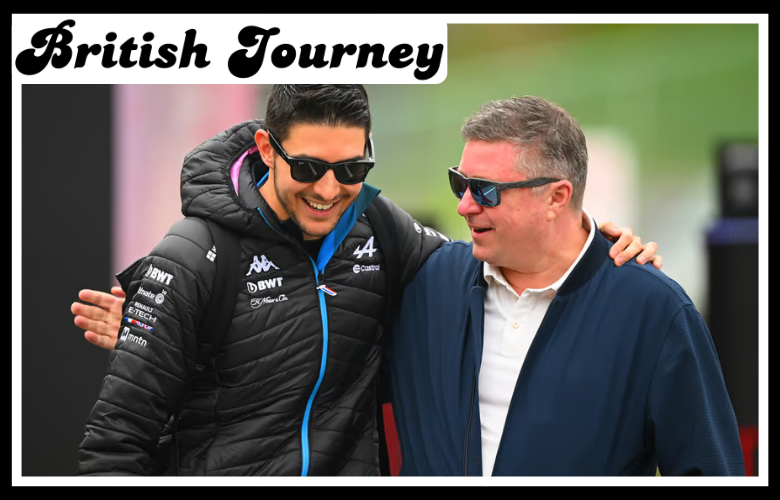

One of the most identifiable commentating voices in the world of modern Formula 1 broadcasting is David Croft. Better known by the nickname “Crofty”, the British broadcaster is renowned for his dynamic announcing style and his trademark call during the start of each race. Croft started to commentate on Formula 1 for BBC Radio 5 Live in 2006 and took up the position of Sky Sports F1’s lead commentator in 2012. Over the years, his voice has echoed over many exciting overtakes, battles for championships, controversial moments and thrilling conclusions of Grand Prix races. However, his job encompasses much more than reporting on the action of the race. It includes analyzing tactics, following timing information and helping viewers navigate through complicated events.
- Early Life, Education and Broadcasting Background
- Journey from BBC Radio to Sky Sports F1
- Commentary Style, Skills and Famous Catchphrase
- How His Commentary Helps Formula 1 Viewers
- Benefits, Criticism and Wider Cultural Influence
- Frequently Asked Questions
- Who is Crofty?
- When did he join Sky Sports F1?
- What is his famous Formula 1 catchphrase?
- Was Croft ever a Formula 1 driver?
- Who normally commentates alongside him?
- Conclusion
Early Life, Education and Broadcasting Background
David Michael Croft was born on 19 June 1970 in Stevenage, Hertfordshire, England. Unlike many Formula 1 analysts, he was not previously a professional racing driver, engineer or team official. His knowledge developed through journalism, radio presentation and live sports broadcasting. This background shaped his role as a storyteller who guides the audience through each race while allowing former drivers and technical specialists to provide deeper analysis.
His early career included work in hospital radio and local broadcasting. These smaller platforms gave him an opportunity to practise speaking naturally, preparing programmes and communicating clearly without depending on television pictures. Radio presenters must create a complete visual scene using only words, which requires strong concentration, accurate observation and careful pacing.
He later joined BBC Three Counties Radio, where he progressed from sports reporter to sports editor. In 1998, he moved to BBC Radio 5 Live and covered several major sporting events. His experience included football, darts, boxing and international competitions. Working across different sports helped him develop flexibility, improve his live reactions and understand how different audiences respond to commentary.
Journey from BBC Radio to Sky Sports F1
Croft became BBC Radio 5 Live’s Formula 1 commentator in 2006. Radio motorsport coverage is particularly demanding because listeners cannot see the race order, timing graphics or incidents. The broadcaster must describe where drivers are positioned, which tyres they are using, who is entering the pits and why a development could affect the final result.
Important events often happen at the same time during a Grand Prix. One driver may enter the pits while another receives a penalty and a third reports changing weather conditions. The lead voice must decide which situation deserves immediate attention. His years at BBC radio gave him the experience needed to organise this information and maintain a clear story throughout long race weekends.
In 2012, he joined Sky Sports as the main commentator for its dedicated Formula 1 channel. The move placed him alongside experienced analysts, former drivers and pit-lane reporters. His partnership with Martin Brundle became especially well known. Croft usually leads the broadcast and describes the action, while Brundle explains technical details, driving decisions and racing conditions from the perspective of a former Formula 1 competitor.
Commentary Style, Skills and Famous Catchphrase
Croft’s commentary style is energetic, expressive and designed to create excitement. He often raises his voice during race starts, close overtakes, collisions and final-lap battles. This vocal intensity helps viewers recognise when an important moment is developing, particularly when several cars are fighting for position at the same time.
He is widely associated with the phrase “Lights out and away we go”, which he delivers when the five starting lights disappear and the Grand Prix begins. The phrase is short, rhythmic and well suited to the fast movement of the opening seconds. It has become closely connected with English-language Formula 1 coverage and is instantly familiar to many motorsport fans.
The main strengths of his commentary include:
- Fast identification of drivers and changing positions
- Clear explanations of pit stops and tyre strategies
- Strong communication with former drivers and analysts
- High energy during important racing moments
- Accessible language for new Formula 1 viewers
- Historical knowledge of drivers, circuits and championships
- Confidence during unexpected live incidents
- Ability to maintain interest during quieter race periods
His delivery also includes humour, cultural references and wordplay. Some viewers enjoy these features because they make the broadcast more entertaining and conversational. Others believe that jokes can occasionally distract from the technical side of the race. This difference explains why his style is popular with a large audience but does not appeal equally to every viewer.
How His Commentary Helps Formula 1 Viewers
Formula 1 can be difficult to understand because the visible race order does not always show which driver is in the strongest position. A driver leading on the circuit may still need to make a pit stop, while another competitor running several places behind may already have completed the required tyre change.
A commentator helps explain these hidden strategic battles. For example, when a driver pits earlier than a nearby rival, the team may be attempting an undercut. Fresh tyres can allow faster laps, giving the driver a chance to move ahead when the rival eventually stops. Without an explanation, an inexperienced viewer may believe that the early pit stop has simply caused the driver to lose positions.
His role is also important during starts and safety-car restarts. Several cars may enter a corner together, while contact or position changes occur throughout the field. The broadcaster must describe the main action without making unsupported conclusions before replays appear. This requires excitement, judgement and accuracy at the same time.
Benefits, Criticism and Wider Cultural Influence
Many Formula 1 viewers appreciate Croft because he makes each Grand Prix feel like a major sporting event. His voice creates tension before race starts and increases the emotional impact of dramatic overtakes or championship-deciding finishes. His familiar presence also provides continuity as the championship travels between countries and circuits throughout the season.
His partnership with former drivers adds another important benefit. The lead voice can identify what happened and ask the central question, while the analyst explains grip, tyre behaviour, braking technique or driver decision-making. This balance allows the broadcast to serve casual viewers without ignoring experienced motorsport fans.
However, his approach also attracts criticism. Some viewers consider his delivery too loud and believe that minor incidents sometimes receive excessive excitement. Others dislike his puns, repeated phrases or cultural references. Live broadcasting can also lead to occasional mistakes in driver identification or race interpretation because information changes within seconds.
His influence extends beyond television commentary. His voice has appeared in official Formula 1 video games, where recorded lines help virtual races feel connected to real broadcasts. Commentary clips and race-start calls are also widely shared on social media, allowing his voice to reach people who may not regularly watch complete Grand Prix weekends.
Frequently Asked Questions
Who is Crofty?
Crofty is the nickname of the British sports broadcaster best known for leading Sky Sports Formula 1 commentary.
When did he join Sky Sports F1?
He joined Sky Sports F1 in 2012 after previously covering Formula 1 for BBC Radio 5 Live.
What is his famous Formula 1 catchphrase?
His best-known phrase is “Lights out and away we go”, which he says at the beginning of a Grand Prix.
Was Croft ever a Formula 1 driver?
No, he was not a professional racing driver. His expertise comes from journalism, radio and many years of motorsport broadcasting.
Who normally commentates alongside him?
Martin Brundle is his best-known commentary partner, although other former drivers and technical experts also join the team.
Conclusion
On the whole, Croft has been able to earn himself respect as a commentator for modern Formula 1 by virtue of experience, preparation, and his own particular style of commentary. His exciting delivery, clear analysis, and ability to work effectively with fellow ex-drivers helps him in giving clear and interesting insight into complicated races. Though some fans may prefer more subdued commentary or commentary focused on technology, his ability to excite and narrate the race still stands out as one of his key strengths. His experience in commentary not only on the radio and television but also video games and other motorsport events have also helped in increasing his influence outside the commentary booth.