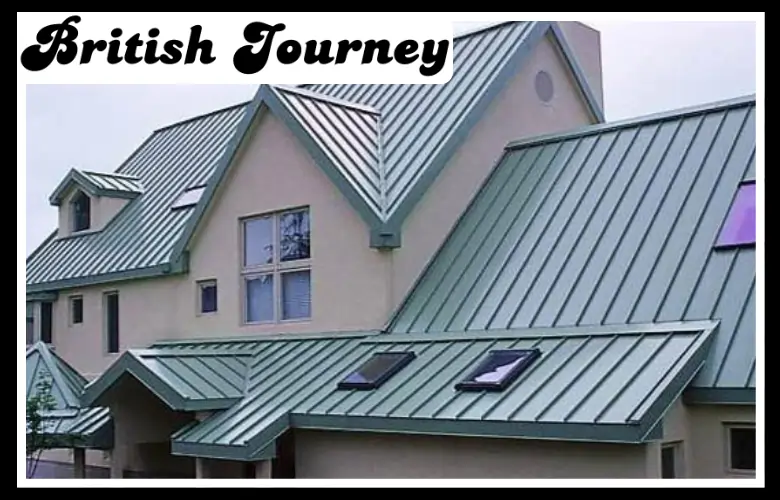

The pitched roof is one of the most popular and durable types of roofs available today. It is not only extremely strong but also provides great weather resistance. The angled shape of the roof helps the rainwater and snow slide down easily, thus eliminating any risks of pooling of rainwater, water leakage, and damage. The pitched rof is used mostly on residential homes and cottages because of its advantages and aesthetic appeal. It contributes greatly to increased air circulation and improved energy savings within the building because of the enhanced ventilation system.
- What is Pitched Roof?
- Types of Roofing Designs and Structures
- Benefits of Roofing Systems
- Roofing Materials and Their Importance
- Maintenance Tips and Modern Roofing Trends
- (FAQs)
- 1. What is a pitched roof used for?
- 2. Why is this roofing system better than flat roofs?
- 3. How long does a roof of this type last?
- 4. What materials are commonly used in roofing structures?
- 5. Does this roof design improve home value?
- 6. Is it energy efficient for homes?
- 7. Does this roof require maintenance?
- Conclusion
What is Pitched Roof?
A pitched roof is a type of roof that has sloping sides which meet at a central ridge. Builders design it this way mainly to improve water drainage and protect buildings from harsh weather conditions. For example, in areas with heavy rain or snow, a steeper slope helps water and snow move down quickly. Therefore, the structure faces less pressure and damage over time.
Moreover, this roofing style has been used for many years in homes, cottages, and commercial buildings. It is popular because it offers both strength and extra space under the roof. For instance, the attic area can be used for storage or even converted into rooms. In addition, modern materials like tiles, metal sheets, and shingles make it even more durable and energy efficient. As a result, it remains one of the most trusted roofing choices today.
Types of Roofing Designs and Structures
There are several roofing styles, and each one offers different benefits depending on design needs and weather conditions.
First, the gable roof is the most common type. It has two sloping sides that form a triangle. Because of this simple design, it is easy to build and allows good airflow and drainage. Therefore, many residential homes use it.
Next, the hip roof has slopes on all four sides. This design makes it more stable, especially in strong wind areas. As a result, it is often used in places with extreme weather.
In addition, the mansard roof has two slopes on each side. The lower slope is steeper, which creates more living space inside the house. This makes it very useful in cities where space is limited.
Finally, the gambrel roof is often seen in barns and farmhouses. It provides a large attic space, which is useful for storage or additional rooms.
Common Roofing Styles
- Gable roof
- Hip roof
- Mansard roof
- Gambrel roof
- Shed roof
- Butterfly roof
Each style serves a different purpose depending on structure, climate, and design choice.
Benefits of Roofing Systems
One of the biggest benefits of sloped roofing systems is excellent water drainage. Because of the angled design, rainwater and snow move off quickly. Therefore, the risk of leaks, mold, and water damage becomes much lower.
In addition, these roofs improve energy efficiency. Proper insulation and ventilation help control indoor temperature. As a result, homeowners spend less on heating and cooling.
Moreover, they create extra space under the roof. This space can be used for storage, offices, or even bedrooms. So, the building becomes more functional without increasing its size.
Key Benefits
- Fast water drainage
- Strong weather protection
- Better energy efficiency
- Extra storage or living space
- Long-lasting structure
- Attractive appearance
Overall, these benefits make this roofing system a smart long-term investment.
Roofing Materials and Their Importance
The choice of material affects durability, cost, and performance. For example, asphalt shingles are very popular because they are affordable and easy to install. In contrast, clay tiles offer a more traditional look and last for many years.
Meanwhile, metal roofing is becoming more common because it reflects heat and saves energy. As a result, it works well in hot climates. On the other hand, slate roofing is a premium option that lasts a very long time but costs more.
Roofing Material Comparison
| Material | Lifespan | Main Advantage |
| Asphalt Shingles | 20–30 years | Low cost |
| Clay Tiles | 50–100 years | Classic style |
| Metal Roofing | 40–70 years | Energy saving |
| Slate Roofing | 75–100 years | Very durable |
Therefore, choosing the right material depends on budget, weather, and design needs.
Maintenance Tips and Modern Roofing Trends
Regular maintenance is very important because it increases roof life and prevents costly repairs. For example, homeowners should check the roof at least twice a year. In addition, cleaning gutters helps prevent water blockage and damage.
Also, trimming nearby trees reduces debris and protects the roof surface. Moreover, proper ventilation helps avoid moisture buildup inside the attic.
At the same time, modern roofing trends are changing construction methods. For instance, solar roofing systems are becoming more popular because they save energy. Similarly, eco-friendly materials are now widely used to reduce environmental impact.
Common Roofing Problems
- Broken or missing tiles
- Water leakage
- Mold growth
- Poor ventilation
- Damaged flashing
- Roof sagging
Therefore, early repair is always better to avoid major damage.
(FAQs)
1. What is a pitched roof used for?
It is mainly used to protect buildings from rain, snow, wind, and other weather conditions while ensuring strong drainage and long-term durability.
2. Why is this roofing system better than flat roofs?
It performs better because water and snow naturally slide off the surface, reducing the risk of leaks, dampness, and structural damage.
3. How long does a roof of this type last?
Its lifespan depends on materials used, but it can last from 20 to over 100 years with proper installation and regular maintenance.
4. What materials are commonly used in roofing structures?
Common materials include asphalt shingles, clay tiles, metal sheets, and slate, each offering different levels of durability and cost.
5. Does this roof design improve home value?
Yes, it enhances property value by improving appearance, energy efficiency, and long-term structural protection.
6. Is it energy efficient for homes?
Yes, it helps regulate indoor temperature through better insulation and ventilation, reducing energy costs over time.
7. Does this roof require maintenance?
Yes, regular inspections, cleaning gutters, and checking for damage are essential to ensure long-lasting performance and safety.
Conclusion
Overall, it should be concluded that the pitched roof is one of the most effective roofing systems used nowadays. The sloped form of the roof ensures proper protection from rains, snowfalls, and other atmospheric elements, besides allowing efficient drainage of water. What is more, the pitched rof promotes energy savings, facilitates ventilation of buildings and gives an opportunity for creating additional living spaces, like attics and lofts. There is a wide range of designs and materials to select from according to personal requirements and tastes. Therefore, it is worth considering investing in such roofing.