
The British Museum is one of the best tourist attractions of London which allows people to learn about human history, arts and civilizations for thousands of years. This museum, located in Bloomsbury, is home to many exhibits such as the Egyptian mummies, Rosetta Stone, Greek statues, Japanese pieces and other interesting items from across the world. Whether you are visiting London for the first time, or doing some research work or just with family members, there is much that you can find at the British. The knowledge of admission charges, booking tickets, timing of museum and popular exhibits will help you make your visit more enjoyable.
- What Is the British Museum Famous For?
- Tickets, Free Admission and Booking Information
- What to Know Before Visiting
- Photos Inside and the Most Interesting Collections
- Rosetta Stone, Ancient Egypt and Samurai Collections
- Pros, Cons and Reasons to Visit
- (FAQs)
- Is the British Museum free to visit?
- Do you have to book before visiting?
- What is the museum famous for?
- Can you take photos inside?
- Where can you see the Rosetta Stone?
- Conclusion
What Is the British Museum Famous For?
The museum is famous for its enormous collection covering human history, art and culture across thousands of years. Its galleries contain objects from many different regions, allowing visitors to explore ancient civilisations and compare how societies developed. The Rosetta Stone is one of its most recognisable objects, while ancient Egyptian mummies, Greek sculptures, Assyrian reliefs and Asian collections provide many other reasons to visit. The museum’s wide geographical range means that visitors can move between completely different historical periods without leaving the building.
One reason the collection stands out is its variety. You can study ancient writing, examine religious objects, learn about trade, look at sculptures and discover items that were once used in everyday life. The collection is not limited to famous treasures, which means smaller objects can sometimes provide the most interesting insights. The museum has more than 50 public galleries, making it impossible to experience everything in one ordinary visit. A better strategy is to choose several areas that match your interests and explore them properly.
The building itself is another attraction. The Great Court provides a dramatic central space beneath its distinctive glass roof, while the surrounding historic architecture creates an impressive setting for the collections. Visitors searching for the British Museum photos often discover that the building offers as many photographic opportunities as some individual exhibits. The combination of architecture, galleries and historical objects makes a visit feel like a complete cultural experience rather than simply a walk through display cases.
Tickets, Free Admission and Booking Information
One of the biggest attractions for visitors is that general admission to the permanent collection is free. You do not normally need to pay an entrance fee simply to explore the permanent galleries. However, temporary exhibitions, special events and certain experiences can have separate charges. This distinction is important when searching for the British Museum tickets, because a free general admission ticket is different from a paid exhibition ticket.
The museum recommends booking a free admission ticket in advance. This can make your arrival easier and give you greater certainty when planning a London sightseeing itinerary. Walk-up visitors may also be admitted depending on capacity, but busy periods can result in queues. If you have a limited amount of time in London, reserving your free entry before travelling can help you organise the rest of your day more effectively.
The museum’s visitor information also advises checking current opening arrangements before travelling because galleries, exhibitions and displays can change. Published visitor guidance recommends checking the latest information for gallery closures and current exhibitions. This is particularly useful if you are travelling specifically to see an individual object or collection. A few minutes of preparation can prevent disappointment and help you make better use of your time inside.
What to Know Before Visiting
A common question is whether visitors actually need to reserve an entry time. For general admission, advance booking is not always compulsory, and walk-up admission may be available subject to capacity. However, booking is recommended because it can reduce uncertainty, particularly when visitor numbers are high. Families and tourists with fixed sightseeing plans can benefit from knowing when they are expected to arrive.
Security checks should also be considered when planning your arrival. Bags may be checked at the entrance, so travelling with only what you need can make the process easier. Large luggage can be restricted, meaning the museum is not a suitable place to arrive with substantial suitcases. Checking the latest visitor regulations before travelling is useful if you are carrying unusual or bulky items.
Another important point is to avoid planning an unrealistic route. The collections are extensive, and visitors who try to cover every gallery can quickly become tired. Choose two or three priorities and leave some time for unexpected discoveries. Comfortable shoes are useful because a museum visit involves plenty of walking and standing. Taking a short break during a longer visit can also make it easier to concentrate on the objects.
Photos Inside and the Most Interesting Collections
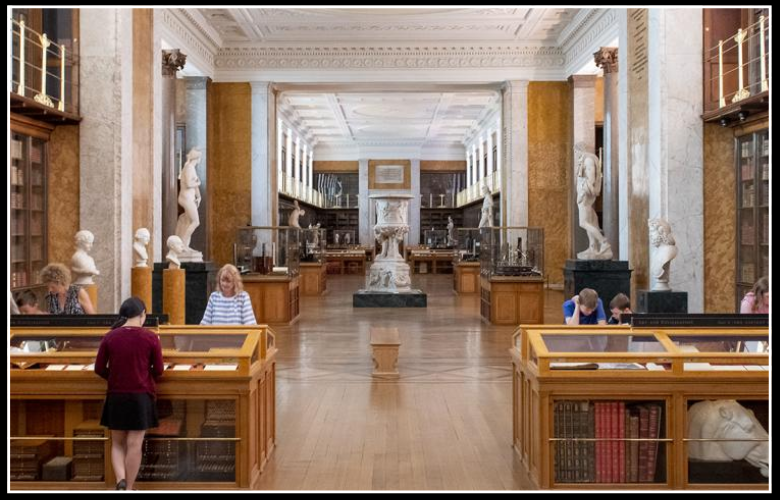
The British Museum photos inside can give first-time visitors a useful idea of the building’s scale and atmosphere. The Great Court is one of the most recognisable interior spaces, while the surrounding galleries contain sculptures, archaeological objects, manuscripts, jewellery, coins and everyday items. Photographs can help you decide which areas you want to explore, but seeing the objects in person provides details that photographs cannot always capture.
Photography is permitted in many public areas and galleries, although restrictions can apply to particular exhibitions or displays. Visitors should follow signs and instructions from staff before taking pictures. If photography is an important part of your visit, check the rules for any temporary exhibition you plan to enter. It is also worth remembering that some objects are displayed in low lighting to protect them, so photographs may not always look exactly as expected.
The museum’s collections provide something for different interests. Ancient Egypt is ideal for visitors interested in mummies, writing and religious beliefs, while Greek and Roman galleries provide sculptures, architectural fragments and everyday objects. Asian collections introduce visitors to Japanese, Chinese, Korean and Indian art and material culture. Looking beyond the most famous exhibits can reveal objects that provide fascinating evidence about ordinary life, trade and craftsmanship.
Rosetta Stone, Ancient Egypt and Samurai Collections
The British Museum Rosetta Stone is one of the most important objects for visitors interested in ancient Egypt. Discovered in 1799, it contains a decree written in different scripts. Comparing the known Greek text with the Egyptian scripts helped scholars make progress towards deciphering Egyptian hieroglyphs. The stone therefore has enormous historical importance because it opened a path towards understanding written evidence from ancient Egypt.
The Egyptian galleries contain much more than the famous stone. Mummies, coffins, sculptures, jewellery, inscriptions and everyday objects help explain Egyptian ideas about religion, death, kingship and the afterlife. Visitors with children may find the visual displays particularly engaging, while students can examine the objects more closely as evidence of ancient society. Spending time reading the descriptions can make the Egyptian collection much more informative than simply taking photographs of the most recognisable exhibits.
The British Museum samurai collection also comes from the museum’s Japanese holdings and its past Samurai exhibition. Samurai-related armour and other Japanese objects can demonstrate craftsmanship, social identity and military traditions. Visitors should check the current exhibition programme before travelling because temporary exhibitions have specific dates. The wider Asian collections remain worth exploring even when a particular special exhibition is no longer running.
Pros, Cons and Reasons to Visit
There are several reasons why visitors choose this major London attraction. The permanent collection provides a huge amount to explore, while famous objects offer memorable highlights for first-time visitors. Students can use the collections for historical research, families can create educational outings around particular themes, and tourists can combine a museum visit with other central London attractions. The broad range also means that visitors with very different interests can find something worthwhile.
The main advantages include:
- Free general admission to the permanent collection.
- Extensive collections covering many cultures and historical periods.
- Famous objects such as the Rosetta Stone and Egyptian antiquities.
- Suitable collections for families, students and history enthusiasts.
- Impressive architecture and the Great Court.
- Flexible visit lengths, from a short highlights tour to several hours of exploration.
The disadvantages mainly relate to the museum’s enormous scale. Popular galleries can become busy, and first-time visitors may feel overwhelmed by the number of choices. It is also impossible to see the entire collection during one normal sightseeing visit. Some temporary exhibitions require separate tickets, while visitors interested in only one narrow subject may prefer a smaller specialist museum. These limitations are easier to manage when you plan your route and set realistic expectations.
(FAQs)
Is the British Museum free to visit?
Yes, general admission to the permanent collection is free. Some temporary exhibitions, special events and experiences may require a paid ticket.
Do you have to book before visiting?
Booking is not usually required for general entry, but advance booking can be useful during busy periods. It also helps you plan your visit more easily.
What is the museum famous for?
The museum is famous for its extensive collection of historical objects, including the Rosetta Stone, Egyptian mummies, Greek sculptures and artefacts from cultures around the world.
Can you take photos inside?
Photography is permitted in many public galleries for personal use. However, some exhibitions or objects may have restrictions, so visitors should follow the signs and staff instructions.
Where can you see the Rosetta Stone?
The Rosetta Stone is displayed in the Egyptian collection. It is one of the museum’s most famous objects and helped scholars understand Egyptian hieroglyphs.
Conclusion
A visit to the British Museum is a remarkable tour of human civilization from ancient civilizations to fascinating artworks and objects that we use in our daily life. Works like Rosetta Stone, mummies from Egypt, sculpture from Greece and even collections from Japan provide ample opportunities for exploration. Entry to permanent collections at the British Museum is usually free, but advanced planning will make things easy. If you have interests in archaeology, art, history or cultures of the world, visiting would certainly be worth your while. Check out the latest details regarding visitors before setting out to London.