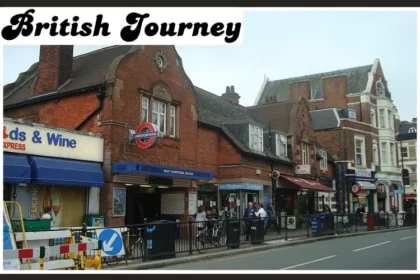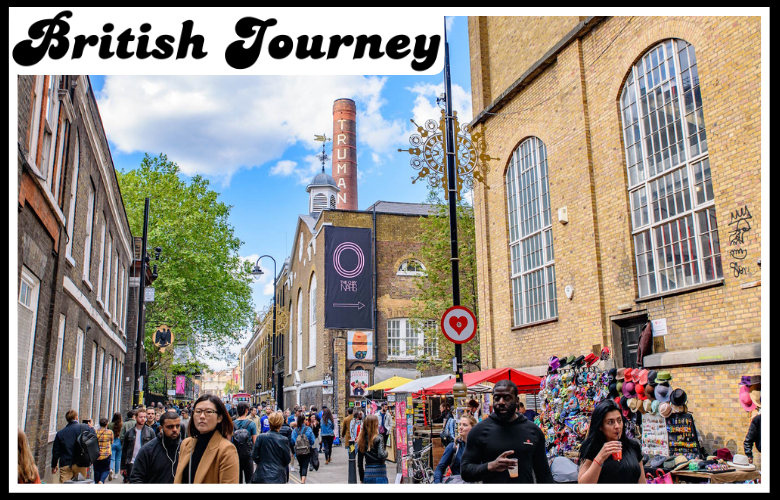

Brick Lane Market is one of London’s most vibrant and distinctive places to explore, attracting visitors with its mix of vintage fashion, street food, antiques, art and independent businesses. Located in East London, the area has a lively atmosphere, particularly at weekends when market stalls fill the surrounding streets. Visitors can browse unusual clothing, second-hand treasures, handmade products and international food while discovering the colourful character of the neighbourhood. Beyond the market itself, Brick Lane is famous for street art, cafés, restaurants and its strong multicultural identity. Whether you enjoy shopping, photography, food or London’s creative culture, a visit to this popular market offers plenty to see and experience.
- Brick Lane Market History and What Makes the Area Famous
- Opening Times, Market Days and Saturday Visits
- Vintage Shopping, Food and Gluten-Free Options
- Is Brick Lane Market Open Today and What Should You Do There?
- Benefits, Pros and Cons and Why People Choose It
- (FAQs)
- What is Brick Lane Market known for?
- Where is the market located?
- What can you buy there?
- Is it good for food?
- When is the best time to visit?
- Conclusion
Brick Lane Market History and What Makes the Area Famous
Brick Lane Market has a long connection with trading in London’s East End. The traditional market was established in 1888, although commercial activity around Brick Lane dates back much further. The street itself developed through different periods of London’s history, including brickmaking, farming, textile production and brewing. Over time, several immigrant communities also shaped the neighbourhood, including Huguenot, Jewish and Bangladeshi communities. This history remains visible today through the area’s architecture, food businesses, religious buildings, independent shops and cultural traditions.
The former Truman Brewery is another important part of the area’s story. Once a major brewery, its buildings have since developed into a creative and commercial destination containing markets, independent businesses, events and food venues. This mixture of old and new is one reason the neighbourhood feels different from many other parts of London. Visitors can walk past historic buildings, admire modern street art, browse vintage clothing and then enjoy South Asian or international food within a relatively short distance.
Opening Times, Market Days and Saturday Visits
Understanding Brick Lane Market opening times requires some care because the name covers several different trading spaces. The traditional council-managed street market is associated with Sunday, with Tower Hamlets currently listing its trading hours as 10am to 3pm. This is the main day for visitors who want the classic outdoor market atmosphere, with numerous stalls and a busy crowd moving through the area. However, the surrounding indoor markets, shops and food businesses follow their own schedules.
If you are planning a Brick Lane Market Saturday visit, there is still plenty to explore. The Vintage Market operates on Saturdays, along with other indoor market spaces around the Old Truman Brewery. Saturday can therefore be a particularly good choice if your main interest is vintage clothing, independent shopping or food rather than the traditional Sunday street stalls. The key point is that the wider area remains active beyond Sunday, but individual venues can have different opening hours.
Vintage Shopping, Food and Gluten-Free Options
The Brick Lane vintage market is a major attraction for fashion enthusiasts. It brings together traders selling clothing and accessories from different decades, giving shoppers an opportunity to find pieces that are very different from mainstream high-street fashion. Denim, leather jackets, dresses, workwear, jewellery and other vintage items are commonly sought after. Because stock changes regularly, finding the right item can require patience. Before buying, check garments carefully for stains, damaged seams, missing buttons and faulty zips.
Food is another important part of the experience. The area is well known for South Asian cuisine as well as international street food, cafés, bakeries and independent food traders. Visitors searching for Brick Lane Market gluten free options should speak directly to individual vendors before ordering. People with coeliac disease need to consider cross-contamination as well as ingredients, since food prepared on shared surfaces or equipment may not be suitable. Always explain your dietary requirements clearly and ask how the food is prepared rather than assuming a dish is safe simply because its main ingredients do not contain gluten.
Is Brick Lane Market Open Today and What Should You Do There?
If you are wondering “is Brick Lane Market open today?”, the answer depends on which part of the area you want to visit and which day it is. The traditional outdoor street market is mainly a Sunday attraction, while indoor markets, shops and food venues operate on other days. This means a weekday or Saturday visit is not necessarily a wasted trip. Instead, you should choose the specific market or business you want to see and check its individual trading schedule.
A Sunday visit generally provides the fullest traditional market experience. You can browse clothing, antiques, jewellery, artwork and other goods before exploring nearby streets filled with independent businesses and street art. Photography is another popular activity because murals and graffiti give Brick Lane a constantly changing appearance. If you have several hours, it is worth exploring side streets rather than staying only on the busiest section. The surrounding areas of Shoreditch and Spitalfields can also be incorporated into a longer East London walking itinerary.
Benefits, Pros and Cons and Why People Choose It
The biggest benefit is variety. Few London neighbourhoods allow visitors to combine vintage shopping, international food, street art, independent retail and historic surroundings so easily. The experience can also suit different budgets because walking around the area and viewing street art costs nothing, while food and shopping choices range from relatively inexpensive purchases to more expensive specialist items. Regular visitors may also find something different each time because individual traders change their stock.
The main advantages and disadvantages can be summarised below:
- Pros: excellent vintage shopping, varied food choices, independent traders, street art, historic character, several indoor markets, different price ranges and a lively East London atmosphere.
- Cons: Sunday can become crowded, outdoor stalls are affected by weather, prices vary between traders, specific products are not guaranteed and different market spaces have different opening times.
People choose the area because it offers discovery rather than predictable shopping. Someone might arrive looking for a vintage jacket and leave with a record, artwork, unusual homeware item or new favourite food. This unpredictability is part of the appeal. However, visitors who dislike crowds or prefer quiet, highly organised shopping environments may find the busiest periods overwhelming. Comfortable shoes, a reusable shopping bag and a flexible schedule can make the experience considerably easier.
(FAQs)
What is Brick Lane Market known for?
Brick Lane Market is known for vintage clothing, antiques, street food, artwork, independent stalls and its lively creative atmosphere. Visitors can discover unusual products while exploring one of East London’s most distinctive areas.
Where is the market located?
It is located on Brick Lane in East London, close to Shoreditch and Spitalfields. The area is well connected by public transport, making it convenient for visitors travelling from different parts of London.
What can you buy there?
Shoppers can find vintage clothes, jewellery, records, artwork, homeware, second-hand goods and handmade products. The selection varies between stalls, so every visit can offer something different.
Is it good for food?
Yes, the area is particularly popular for international street food. Visitors can enjoy a variety of dishes, snacks and drinks, alongside cafés, bakeries and restaurants in the surrounding streets.
When is the best time to visit?
Weekends are usually the liveliest, with more stalls and plenty of visitors. Arriving earlier can make it easier to browse the market and find interesting items before the busiest period.
Conclusion
Brick Lane Market still represents an interesting place for any individual who wishes to see another side of London. From vintage clothes to independent vendors and street foods to antiques, there are many things that can keep a person interested. The market is surrounded by many things like colorful graffiti, vibrant atmosphere, and interesting food scene which makes visiting this neighborhood worthwhile. Be it bargain hunting, sampling exotic cuisines, or just having a leisurely stroll on the weekend, there are many options for people to enjoy here. The unique characteristics and multicultural environment of the place have contributed to its reputation in East London’s cultural landscape.