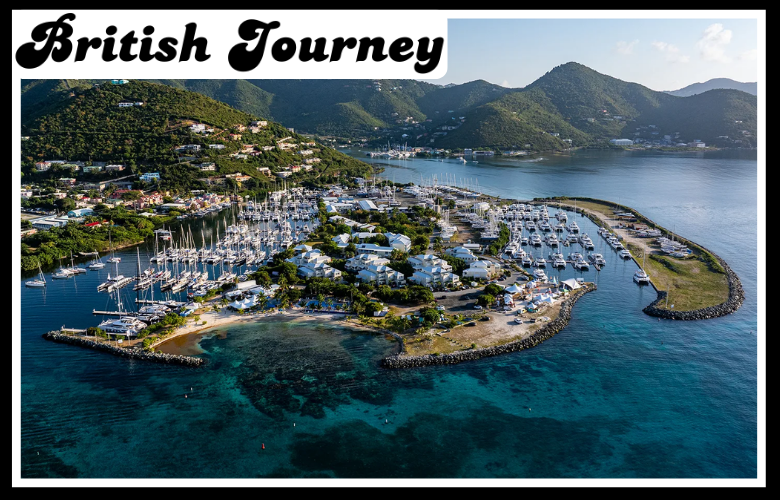

The British Virgin Islands is a Caribbean tourist destination renowned for its crystal-clear water, pristine beaches, sailing and island living. Situated in the north eastern part of the Caribbean, British Overseas Territory comprises several islands, with some of the most popular being Tortola, Virgin Gorda, Anegada and Jost Van Dyke. Tourists and others looking for information regarding the status of the country, its currency, map, flag, population and people are quite many. Additionally, there are those interested in finding out why Tortola is special, and islands that would be ideal for tourism. Knowledge on the above mentioned will give a better understanding of the territory outside its amazing beaches.
- Is It a Country and Where Is It Located?
- Currency, Economy and Cost
- Flag, Population and People
- Tortola and the Main Islands
- Tourism, Football and Things to Do
- Frequently Asked Questions
- Is the British Virgin Islands a country?
- What currency is used in the BVI?
- Where are the islands located?
- What is the capital?
- What is the population?
- Conclusion
Is It a Country and Where Is It Located?
The first question many people ask is whether the islands form an independent country. The answer is no. The territory is a British Overseas Territory. It has its own elected government and manages many local matters. The United Kingdom still handles areas such as defence and some international affairs. This means the islands have their own local identity and government, but they do not have the same status as an independent country such as France or Canada.
The islands sit in the north-eastern Caribbean, east of Puerto Rico and close to the United States Virgin Islands. A map shows many islands, small cays and rocky islets spread across the sea. Tortola is the largest island and holds most of the population. Virgin Gorda, Anegada and Jost Van Dyke are also important islands. Their landscapes differ from one another, which gives visitors many ways to enjoy the area.
The geography shapes everyday life. People use boats, ferries and water taxis to travel between many islands. Visitors cannot drive from Tortola to Virgin Gorda because the sea separates them. This makes boat travel an important part of the local transport system and tourism industry. The warm climate also supports beach trips, sailing, swimming and other outdoor activities. Travellers should check weather conditions before planning several boat journeys in one day.
Currency, Economy and Cost
The official currency is the United States dollar (USD). Hotels, restaurants, shops, taxis and tour companies commonly quote prices in US dollars. This makes spending easy for visitors who already use dollars. Travellers from other countries should check their bank fees before using a card. Some banks charge extra for foreign transactions, even when the local price appears in US dollars.
Tourism plays a major role in the local economy. Hotels, restaurants, yacht companies, marinas, taxis and tour operators serve visitors throughout the year. Financial services also play an important role in the economy. Fishing and agriculture contribute to local life as well. This mix gives the islands a strong connection with international business while keeping many small local communities.
A holiday here can cost more than a trip to some other Caribbean destinations. Luxury hotels, private boats and yacht charters can quickly increase the total bill. Travellers can manage costs by comparing accommodation, choosing local restaurants and joining shared boat trips. Transport also matters when planning a budget. A cheaper hotel may not save money if it sits far from restaurants, beaches or ferry terminals.
Flag, Population and People
The territorial flag shows the area’s close link with Britain and its own identity. It has a blue background, the Union Jack and the local badge. The badge shows Saint Ursula surrounded by lamps and includes the Latin word “Vigilate”, which means “Be Watchful”. People use the flag at government buildings, public events and other official occasions. It remains one of the best-known symbols of the territory.
The population is small, with about 27,800 people. Most residents live on Tortola, which has the largest number of homes, businesses and public services. The population has changed over the years because of migration, births and other factors. For this reason, different websites may show slightly different population figures. Tortola’s larger population also explains why most visitors find more shops, restaurants and services there.
The local people have a strong Caribbean identity shaped by history, migration and British links. English is widely spoken, and visitors can learn more about local culture through food, music, festivals and community events. Local restaurants and small businesses offer a useful way to experience everyday island life. Travellers should respect local customs and communities during their stay. Supporting local businesses can also help keep more tourism income within the islands.
Tortola and the Main Islands
Tortola is the largest island and the main centre of government, business and transport. Road Town, the capital, sits on Tortola and has shops, restaurants, hotels, offices and marinas. The island also has hills, beaches and scenic roads with views across the sea. Many first-time visitors choose Tortola because it offers more services than the smaller islands. It also makes a useful base for day trips by boat.
Virgin Gorda has a different feel. The island is famous for The Baths, where huge granite rocks create caves, pools and narrow paths beside the sea. It also has attractive beaches and quiet areas for visitors who want a slower holiday. Anegada has a flat landscape and offers a more peaceful experience. Its beaches, reefs and seafood attract people who enjoy nature and quieter places.
Jost Van Dyke is smaller and has a strong connection with sailing and casual beach life. Travellers often visit for swimming, food, boating and a relaxed atmosphere. Each island offers something different, so there is no single answer to which one is best. Tortola works well for convenience, Virgin Gorda suits scenery lovers, Anegada offers peace and Jost Van Dyke appeals to people who enjoy boating and social beach settings.
Tourism, Football and Things to Do
Sailing remains one of the area’s biggest attractions. The islands provide many places for boats to stop, making the region popular with sailors and yacht charter companies. Visitors without sailing experience can join organised boat tours. Other activities include snorkelling, diving, fishing, kayaking and swimming. On land, travellers can visit beaches, viewpoints, restaurants and local communities. A good trip does not need a busy schedule. Leaving time for a quiet beach or a long lunch can make the holiday more enjoyable.
People searching for British Virgin Islands FC are usually looking for information about football in the territory. The official football body is the British Virgin Islands Football Association, which works with CONCACAF and FIFA. The territory has national teams that take part in international football. Football also has a place in youth and community sport. Sailing may receive more attention from international visitors, but football gives local people another way to represent their territory and take part in organised sport.
Travellers should prepare before arrival. Check your entry rules, passport requirements, hotel booking and transport plans before leaving home. If you hire a car, remember that vehicles drive on the left. Some roads can be steep and narrow, so drive carefully and allow extra time. Pack comfortable clothes, good walking shoes, swimwear and sun protection. If you plan to spend time on boats, protect phones and other valuables from water. Respect beaches, coral and marine life throughout your visit.
Frequently Asked Questions
Is the British Virgin Islands a country?
No. It is a British Overseas Territory with its own elected government and responsibility for many internal matters. It is not an independent sovereign country, although it has its own local institutions, laws and territorial identity.
What currency is used in the BVI?
The official currency is the United States dollar (USD). It is commonly used for accommodation, restaurants, shopping, taxis, tours and other everyday purchases throughout the islands.
Where are the islands located?
The islands are situated in the north-eastern Caribbean, east of Puerto Rico and close to the United States Virgin Islands. Tortola, Virgin Gorda, Anegada and Jost Van Dyke are the principal islands.
What is the capital?
Road Town, located on Tortola, is the capital and the main administrative and commercial centre. It also provides important transport connections for visitors travelling around the territory.
What is the population?
The population is relatively small, at approximately 27,800 people. Most residents live on Tortola, which has the largest concentration of homes, businesses, government services and infrastructure.
Conclusion
In all, this Caribbean territory is indeed a great destination for those interested in beaches, sailing, nature and an island experience. While Tortola offers easy access to all sorts of facilities such as accommodation, dining facilities and transport as well as other local facilities, there is a lot more that visitors will be able to do in places such as Virgin Gorda, Anegada and Jost Van Dyke. With its currency of US dollars, unique flag, small population and status as a British Overseas Territory, this territory indeed offers much more than just a tourist destination. Despite the fact that accommodations, transport and activities might cost quite a lot, a well-thought plan can help control the costs.