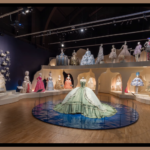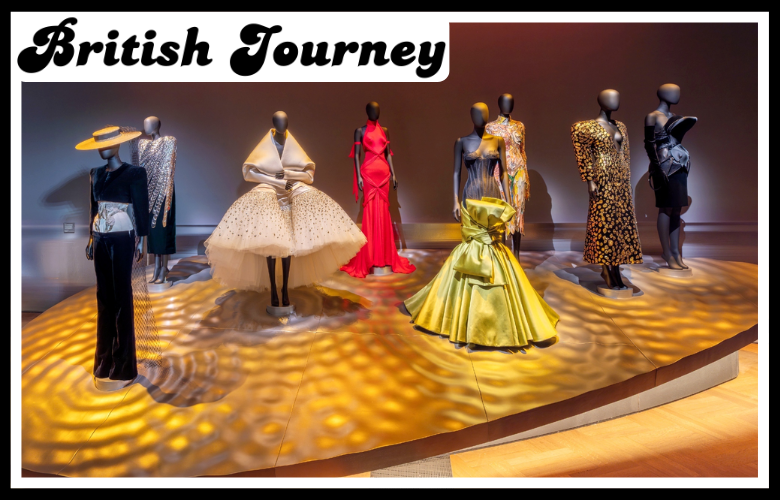

The Schiaparelli Exhibition at the Victoria and Albert Museum, South Kensington is among the most unique fashion shows in London in 2026. This event combines couture, Surrealism, jewellery, photography and contemporary design. The Schiaparelli: Fashion Becomes Art is devoted to the life and work of Elsa Schiaparelli, whose creativity has changed the fashion industry through humor, original concepts, and collaboration with leading artists. Visitors have the opportunity to look at classic and contemporary items designed by Daniel Roseberry and to trace how the Maison has been developing through decades. The show is particularly useful for those interested in the connections between fashion, craftsmanship, and art.
- What Is Schiaparelli: Fashion Becomes Art at the V&A?
- V&A Tickets, Dates, Prices and London Location
- Famous Dresses, Surrealist Art and Modern Couture to See
- Benefits of Visiting and Who Will Enjoy It Most
- How to Plan Your Visit and Get Better Value
- Is Fashion Becoming Art Worth It?
- (FAQs)
- 1. Where is the Schiaparelli exhibition being held?
- 2. When does Schiaparelli: Fashion Becomes Art close?
- 3. How much are V&A Schiaparelli tickets?
- 4. What can you see at Schiaparelli: Fashion Becomes Art?
- 5. Do you need to book V&A Schiaparelli tickets in advance?
- Conclusion
What Is Schiaparelli: Fashion Becomes Art at the V&A?
Schiaparelli: Fashion Becomes Art explores the career, ideas and continuing influence of Elsa Schiaparelli, one of the most unconventional designers of the twentieth century. Born in Rome in 1890, she built her fashion career in Paris and became known for challenging traditional ideas about beauty and elegant clothing. Instead of treating a dress simply as something attractive to wear, Schiaparelli used fashion as a way to communicate humour, fantasy and artistic ideas. Her designs included unexpected imagery, sculptural details, experimental materials and objects placed where viewers would not normally expect them. This approach allowed her clothing to become part of a larger conversation about art and creativity. The V&A show examines that legacy while also connecting it with the modern Maison.
Surrealism is essential to understanding her work. Schiaparelli collaborated with artists including Salvador Dalí, Jean Cocteau, Man Ray and Alberto Giacometti, creating relationships between couture and fine art that were highly unusual for the period. Familiar objects could suddenly appear in strange situations, while the human body could become inspiration for jewellery, embroidery or garment construction. These ideas were often humorous, but they also encouraged people to question traditional rules about clothing. Modern luxury brands regularly collaborate with artists today, yet Schiaparelli was already exploring this territory many decades ago. Her career therefore feels surprisingly current, particularly in an era when fashion depends heavily on visual identity, celebrity attention and memorable imagery.
Her use of shocking pink is another example of how she created a strong and recognisable identity. Rather than depending only on logos, Schiaparelli built a creative world through colour, Surrealist references, unusual accessories and distinctive shapes. This makes her work relevant beyond fashion history because the same principles are important in branding and marketing today. A successful creative identity needs enough consistency to become recognisable but enough flexibility to remain interesting. Schiaparelli achieved this by repeating an attitude rather than repeating exactly the same object. Visitors can therefore look beyond individual dresses and consider how an entire brand personality was created. That wider perspective is one of the most useful reasons to explore the show.
V&A Tickets, Dates, Prices and London Location
Fashion Becomes Art is currently being presented at the V&A South Kensington on Cromwell Road, London, and is scheduled to close on Sunday, 8 November 2026. Current standard admission is £28 on weekdays and £30 at weekends, with concessions available. Visitors with flexible schedules may therefore prefer a weekday, particularly if several people are travelling together. Booking ahead is sensible because temporary fashion shows can attract strong demand during weekends, holidays and popular daytime periods. Current ticket availability should always be checked before travelling, especially if you are visiting London specifically for this event. South Kensington is also convenient because the V&A can easily form part of a longer cultural day rather than a short standalone visit.
The ticket price makes planning important. Someone who enters simply to photograph a handful of famous dresses may feel that nearly £30 is expensive, while a visitor who studies the objects and explores more of the museum is likely to receive greater value. The V&A contains extensive collections covering fashion, jewellery, textiles, furniture, sculpture and decorative arts, allowing visitors to continue exploring related subjects after leaving the temporary gallery. This makes the location especially useful for students and design enthusiasts. Rather than arranging another tightly timed attraction immediately afterwards, leave enough flexibility to enjoy the museum at a comfortable pace. The experience becomes more worthwhile when it is treated as part of a broader visit to the V&A.
Famous Dresses, Surrealist Art and Modern Couture to See
The show contains a broad range of material rather than simply displaying rows of historic evening dresses. Visitors encounter clothing alongside jewellery, accessories, artistic references, photography and objects connected with Schiaparelli’s wider creative world. Historic highlights include designs that demonstrate how Surrealist ideas could be turned into wearable fashion. The Lobster Dress is one of the most recognisable examples because it combines an elegant garment with an unexpected lobster motif associated with Salvador Dalí. The contrast between refined couture and strange imagery captures Schiaparelli’s ability to make something beautiful and deliberately surprising at the same time. Instead of viewing it only as a famous museum object, visitors should notice how carefully the unusual image has been incorporated into the overall design.
The Skeleton Dress provides a different experience. Its construction uses raised forms to suggest the structure of bones on the outside of the body, reversing what people normally expect clothing to conceal. The V&A identifies the surviving garment in the display as the only known original example, making it particularly significant. Other objects demonstrate similar visual games, including hats, jewellery and decorative components inspired by familiar things. Visitors should spend time studying these smaller pieces because some of Schiaparelli’s cleverest ideas appear in details that are easy to overlook. Buttons and adornments can function almost like miniature sculptures, showing how consistently she applied her imagination throughout a complete look.
Contemporary work also forms an important part of the story. Daniel Roseberry has served as creative director of Schiaparelli since 2019, continuing the Maison’s interest in exaggerated anatomy, sculptural forms and theatrical couture. Modern creations feel different from Elsa’s original work because they belong to the age of global celebrity, smartphones and social media, yet the desire to create surprise remains familiar. Comparing historic and modern pieces helps visitors understand how a fashion house can protect its identity without simply reproducing old designs. Roseberry’s work therefore gives the display contemporary relevance and helps explain why the Schiaparelli name has once again become highly visible in international fashion.
Benefits of Visiting and Who Will Enjoy It Most
One of the biggest benefits is seeing couture physically rather than through photographs. Online images can show colour and silhouette, but they rarely communicate the true scale, texture, construction or relationship between a garment and the human body. A design that initially appears humorous may become much more impressive when you notice the technical work supporting the idea. Fashion students can examine construction and textiles, while art students can study how Surrealist concepts travelled from paintings and objects into clothing. Jewellery designers can focus on sculptural accessories, and photographers can observe how dramatic forms create visual impact. This makes the experience educational without feeling like a formal lesson.
The show also has practical value for people working in branding, marketing and other creative industries. Schiaparelli demonstrates how repeated visual codes can create recognition without making every design identical. Colour, body imagery, humour, artistic collaboration and unusual materials provided continuity while individual garments remained fresh. A graphic designer might study the use of contrast, while a marketer could examine why certain images remain memorable decades after their creation. A fashion student could select three garments and compare silhouette, surface treatment and concept rather than trying to remember every object. Even casual visitors can ask a simple question when viewing a piece: what makes this design difficult to forget?
You do not need detailed knowledge of couture to enjoy the experience. People interested in Surrealism, art history, jewellery, celebrity fashion or twentieth-century culture can all find useful material. Modern Schiaparelli provides an accessible connection for visitors who recognise recent red-carpet styling but know little about Elsa’s original career. Seeing modern work beside historical pieces reveals how visual ideas can pass from one generation to another. This combination of immediate spectacle and deeper historical context makes the V&A show more accessible than a highly technical fashion retrospective. Visitors can enjoy an object first and learn its historical meaning afterwards.
How to Plan Your Visit and Get Better Value
The best approach is not to attempt to read every label or photograph every object. Too much information can quickly make a museum visit tiring, particularly when fashion, art history and technical design are being discussed at the same time. Decide beforehand what interests you most, whether that is Elsa Schiaparelli’s original couture, Surrealism, jewellery, artistic collaborations or Daniel Roseberry’s modern work. Give additional attention to objects connected with that interest and then explore the rest more casually. Looking closely at a smaller number of pieces often creates stronger memories than rushing through the entire gallery. Allow enough time so that you can stop when something unexpected catches your attention.
Schiaparelli Exhibition London 2026: Tickets and Dates
- Book V&A tickets in advance when possible.
- Consider a weekday if the lower standard price suits you.
- Avoid scheduling another strict activity immediately afterwards.
- Look at jewellery, hats and accessories as well as dresses.
- Compare Elsa’s historic work with Daniel Roseberry’s modern designs.
- Read detailed information only around objects that genuinely interest you.
- Allow additional time for the wider V&A collections.
There are also a few drawbacks to consider. A ticket costing £28–£30 is a meaningful expense, particularly for a family or larger group, and people with little interest in fashion or art may find better value elsewhere. The large amount of material can also become overwhelming if you try to absorb everything. Visitors interested only in Elsa’s historic career should remember that contemporary Schiaparelli is also part of the story. However, these disadvantages become less significant when the subject already matches your interests. Planning the visit around a few personal priorities can make the experience much more rewarding.
Is Fashion Becoming Art Worth It?
For fashion lovers, designers, art enthusiasts and creative students, the V&A presentation is generally worth considering. Its main strength is not simply access to famous garments but the opportunity to understand relationships between fashion, Surrealism, craftsmanship, branding and contemporary culture. The historic objects demonstrate how radical Elsa’s ideas could be, while modern couture shows how those principles continue to evolve. Seeing materials and construction in person provides information that screens cannot reproduce properly. Visitors who enjoy analysing why designs become memorable are likely to find substantial value. Combining the paid show with the V&A’s wider collections can also make the overall cost of the day feel more reasonable.
The decision ultimately depends on your level of interest. Someone who wants only a few photographs may struggle to justify the ticket price, whereas a student or creative professional could leave with useful ideas about colour, silhouette, collaboration and visual storytelling. The fixed closing date also means this particular collection of objects will not remain together indefinitely. Fashion Becomes Art therefore works best for visitors who want more than celebrity outfits or attractive dresses. It tells a larger story about how clothing can challenge expectations and become part of artistic culture. For that audience, the combination of historic significance and contemporary relevance makes it a strong London museum experience.
(FAQs)
1. Where is the Schiaparelli exhibition being held?
It is being held at the V&A South Kensington in London. The museum is located on Cromwell Road and is easily accessible by public transport.
2. When does Schiaparelli: Fashion Becomes Art close?
The V&A show is scheduled to close on 8 November 2026. Visitors should check availability and book ahead if they plan to visit near the closing date.
3. How much are V&A Schiaparelli tickets?
Standard tickets currently cost around £28 on weekdays and £30 at weekends. Concessionary prices may also be available for eligible visitors.
4. What can you see at Schiaparelli: Fashion Becomes Art?
Highlights include the famous Lobster Dress, Skeleton Dress, Shoe Hat, Surrealist artworks, jewellery, accessories and contemporary couture created under Daniel Roseberry.
5. Do you need to book V&A Schiaparelli tickets in advance?
Advance booking is recommended, particularly for weekends, school holidays and popular daytime slots. Booking early can also give you more choice of entry times.
Conclusion
In conclusion, Schiaparelli: Fashion Becomes Art is an inspiring exhibition which showcases how fashion, art, and imagination can coexist in one creative venture. This exhibition at the V&A Museum illustrates why this fashion house continues to have such significance in today’s world through Elsa Schiaparelli’s Surrealist collaboration and other historic fashion designs as well as modern couture pieces by Daniel Roseberry. Although one should think carefully about the entrance fee for the exhibition, fashion, design, and art history lovers will definitely get a lot out of it. It is also advisable to plan sufficient time to thoroughly examine the collection and the entire museum. Those planning a visit to London in 2026 should definitely consider this unique cultural event.