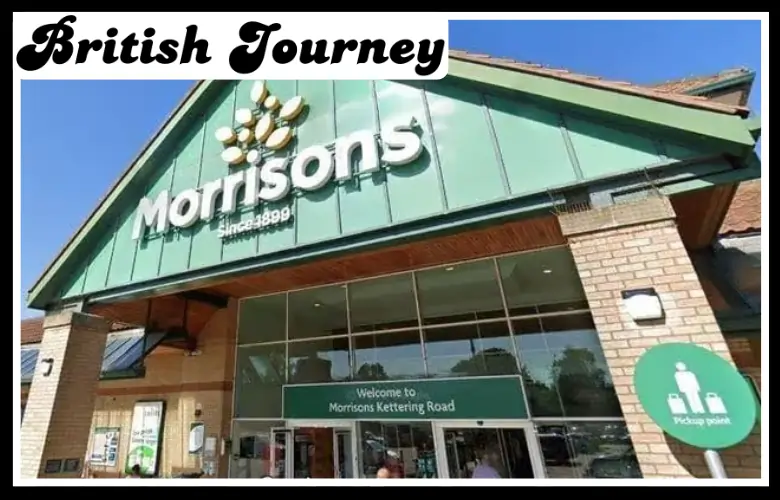

The UK supermarket sector is experiencing significant transformation due to the ongoing increase in expenses, inflation, and evolving consumer behavior. One of the most widely talked about issues in the sector currently is the morrisons bakery closure, which has created worries among staff members, consumers, and industry professionals throughout the country. Bakery sections have been crucial components in drawing the attention of customers due to their presence of freshly baked bread, cakes, and pastries. Nevertheless, high energy costs and higher production expenses make it increasingly challenging for the sector to maintain its bakery production.
- Why the Morrisons Bakery Closure Happened
- Rising Operational Costs in Food Manufacturing
- Impact of the Morrisons Bakery Closure on Employees
- How Customers Could Be Affected
- Economic Pressure on UK Supermarkets
- Wider Challenges Facing the UK Bakery Industry
- Future of Bakery Operations in British Supermarkets
- (FAQs)
- 1. What is the Morrisons bakery closure?
- 2. Why did it happen?
- 3. Will Morrisons still sell bakery products?
- 4. How many jobs are affected?
- 5. How will customers be affected?
- Conclusion
Why the Morrisons Bakery Closure Happened
Several financial factors contributed to the reduction of bakery manufacturing operations. Large bakery facilities require industrial ovens, refrigeration systems, transportation services, and skilled workers. These operations consume large amounts of electricity and gas every day, making them expensive to maintain.
Inflation also increased the cost of bakery ingredients such as flour, butter, sugar, and packaging materials. Transportation costs rose because of higher fuel prices and supply chain disruptions. These financial pressures made bakery production more difficult for supermarkets across Britain.
Rising Operational Costs in Food Manufacturing
Food manufacturing businesses throughout the UK are struggling with rising operational expenses. Bakery production depends heavily on energy-intensive machinery that must operate continuously during production schedules. Electricity and gas prices increased sharply over recent years, creating serious financial pressure.
Labour costs also increased because companies must retain skilled workers within the food manufacturing sector. Combined with inflation and transportation expenses, these challenges have forced many retailers to review production strategies and reduce operating costs wherever possible.
Impact of the Morrisons Bakery Closure on Employees
The closure of bakery manufacturing operations has created uncertainty for workers connected to the business. Manufacturing facilities provide jobs for bakers, warehouse staff, engineers, drivers, and office employees. When production sites reduce operations, local communities can also experience economic pressure.
Workers may face concerns about job security and future employment opportunities. Local businesses that depend on manufacturing workers can also feel the financial impact of closures. Consultation processes are often introduced to support employees during periods of restructuring and operational change.
Main Concerns Among Workers
- Risk of job losses
- Financial pressure on families
- Reduced local employment opportunities
- Concerns about retraining
- Long-term uncertainty in manufacturing jobs
The situation reflects wider challenges affecting Britain’s manufacturing sector, where rising costs continue impacting businesses and workers alike.
How Customers Could Be Affected
Customers are naturally concerned whenever major bakery operations change because fresh bakery products remain an important part of supermarket shopping. Bread, cakes, pastries, and seasonal bakery items are purchased regularly by millions of British consumers.
Although bakery sections are expected to continue operating, shoppers may still notice some adjustments over time. Some products may eventually come from external suppliers instead of internal manufacturing facilities. Product variety and pricing may also change depending on market conditions and supply chain efficiency.
Possible Changes Shoppers Might Notice
| Area | Potential Effect |
| Fresh bakery products | Expected to remain available |
| Product variety | Some specialty items may change |
| Pricing | Possible inflation-related increases |
| Product sourcing | More external suppliers may be used |
Despite these changes, supermarkets are expected to continue investing in bakery departments because fresh products remain popular with customers.
Economic Pressure on UK Supermarkets
The UK supermarket sector is currently dealing with rising costs, inflation, and intense competition from discount retailers. Supermarkets must balance affordable pricing with increasing operational expenses. Retailers are also dealing with higher transportation costs and supply chain disruptions.
Many supermarket chains are now simplifying operations and investing in automation to reduce expenses. Bakery manufacturing has become one of the most affected sectors because production systems are expensive and labour-intensive.
Financial Challenges Affecting Supermarkets
- Rising fuel costs
- Higher electricity prices
- Inflation affecting ingredients
- Increased labour expenses
- Competition from discount retailers
These financial pressures continue influencing decisions across Britain’s retail and food manufacturing industries.
Wider Challenges Facing the UK Bakery Industry
The bakery industry throughout Britain is facing multiple economic and operational problems. Independent bakeries and supermarket bakery departments are both struggling with higher production costs and changing consumer habits.
Labour shortages and supply chain disruptions have also created additional challenges. Businesses must continue offering affordable products while dealing with rising operational expenses and intense market competition.
Key Problems Affecting Bakery Businesses
- Increasing ingredient prices
- Higher electricity and fuel costs
- Labour shortages
- Supply chain disruptions
- Reduced consumer spending power
These issues continue affecting bakery manufacturers and supermarket operations across the country.
Future of Bakery Operations in British Supermarkets
Fresh bakery products remain valuable because they attract customers and improve shopping experiences. However, the future of bakery manufacturing may become more focused on automation, outsourcing, and supply chain efficiency.
Many supermarkets could increasingly rely on external suppliers to produce bakery products at larger scales and lower costs. This approach would allow retailers to reduce expenses while continuing to offer fresh bakery goods to customers nationwide.
(FAQs)
1. What is the Morrisons bakery closure?
The Morrisons bakery closure refers to the restructuring or shutdown of certain bakery manufacturing operations within the company’s supply chain. It is part of cost-saving measures in the UK retail sector.
2. Why did it happen?
It happened mainly due to rising energy costs, inflation, and increasing ingredient prices. These pressures made bakery production more expensive to operate.
3. Will Morrisons still sell bakery products?
Yes, Morrisons will continue selling bakery items in stores. Some products may be sourced from external suppliers instead of being fully produced in-house.
4. How many jobs are affected?
Reports suggest that over 100 roles could be impacted depending on the site. Some employees may be offered alternative positions within the company.
5. How will customers be affected?
Most customers will still see bakery sections in stores, but there may be slight changes in product variety, pricing, or sourcing over time.
Conclusion
In summary, the closure of the morrisons bakery is indicative of the increasing pressures facing UK supermarkets in the current economic climate. Higher energy prices, inflation, disrupted supply chains, and shifts in consumer behavior have all led to tough choices being made in the retail sector. Even as bakery production facilities are downsized, supermarkets will continue to provide their customers with fresh bakery products via other means of procurement. Though there may be uncertainty for employees and the local community, companies are concentrating on sustainable practices going forward.