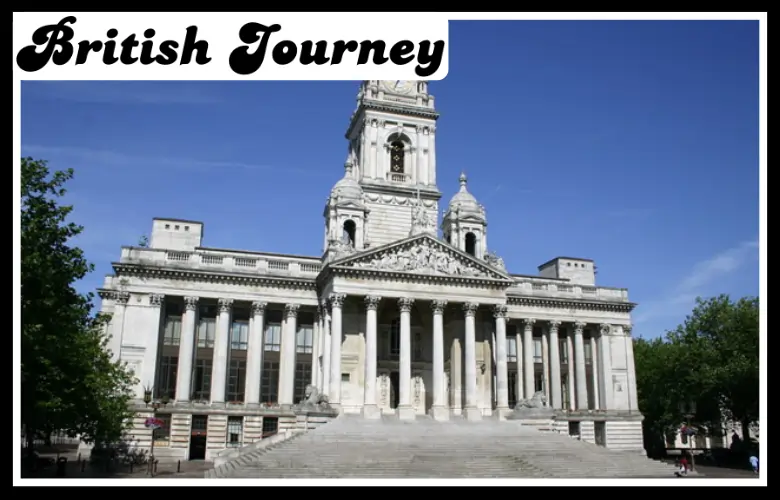

The Portsmouth Guildhall in the city of Portsmouth, England, is considered a very significant civic landmark due to its historical significance as well as the entertainment it brings annually. Originally constructed in the Victorian period, this building has transitioned from being a town hall with historic importance to a place that hosts events such as music concerts, conferences, and ceremonial events. As one of the important cultural landmarks of Portsmouth, the building is a key attraction for many visitors and serves purposes of tourism in addition to being a part of local culture.
- History of Portsmouth Guildhall
- Architecture and Design
- Events and Entertainment
- Visitor Experience and Facilities
- Cultural Importance
- Things to Do Near the Venue
- (FAQs)
- 1. What is Portsmouth Guildhall known for?
- 2. When was Portsmouth Guildhall built?
- 3. What happened to it during World War II?
- 4. When was it rebuilt and reopened?
- 5. What events are held there today?
- Conclusion
History of Portsmouth Guildhall
The origins of this landmark date back to 1890 when it was first built as the Portsmouth Town Hall. Designed in a grand neoclassical style, it represented civic pride and the growing importance of Portsmouth during the Victorian era. In 1926, it officially became a Guildhall after the city gained formal status.
One of the most defining moments in its history came during the Second World War. In 1941, the building was heavily damaged during bombing raids, and much of its interior was destroyed. Only the exterior stone structure and clock tower survived, turning it into a symbol of destruction and resilience.
After the war, reconstruction began in the 1950s, and it was officially reopened in 1959 by Queen Elizabeth II. Today, this landmark stands as a powerful reminder of survival, rebuilding, and civic strength.
Architecture and Design
The architecture reflects a blend of Victorian neoclassical design and post-war restoration. The exterior is defined by its grand stone façade, tall columns, and iconic clock tower that dominates Guildhall Square in the city centre.
Inside, the building has been transformed into a modern performance and events space while maintaining its historic identity. The main auditorium is designed for flexibility, allowing it to host concerts, conferences, and large public events with excellent acoustics and seating arrangements.
This combination of historic preservation and modern functionality makes it one of the most architecturally significant civic buildings in the UK.
Events and Entertainment
Today, this venue is one of the South Coast’s most important entertainment spaces. It hosts a wide variety of events throughout the year, attracting both national and international audiences. It is especially known for its diverse programming, making it a cultural hub in Portsmouth.
Key event types include:
- Live music concerts featuring UK and international artists
- Comedy shows and stand-up performances
- Graduation ceremonies and academic events
- Corporate conferences and exhibitions
- Civic and community celebrations
This variety makes it a versatile venue supporting both cultural entertainment and professional gatherings.
Visitor Experience and Facilities
Visiting this landmark offers a combination of history, culture, and live entertainment. Located in Portsmouth city centre, it is within walking distance of major transport links, including the railway station. The surrounding Guildhall Square is often used for public events and seasonal festivals.
Visitors benefit from modern facilities including accessible seating, ticketing services, and comfortable event spaces. The venue is designed to provide a smooth and enjoyable experience for all guests, whether attending a concert or a formal ceremony.
Visitor highlights:
- Central location with excellent transport access
- Accessible facilities for all visitors
- Year-round events and performances
- Nearby cafés, restaurants, and cultural attractions
Cultural Importance
The cultural value of this landmark extends beyond entertainment. It is a symbol of resilience, representing Portsmouth’s recovery after World War II destruction. Its survival and restoration make it one of the city’s most meaningful historic landmarks.
It also plays a major role in supporting the local economy. Events held here attract thousands of visitors, benefiting hotels, restaurants, and tourism businesses. It also serves as a gathering place for civic ceremonies and community events.
Things to Do Near the Venue
The surrounding area offers many attractions, making it ideal for a full day out in the city.
Popular nearby attractions:
- Portsmouth Historic Dockyard with naval history and ships
- Gunwharf Quays for shopping and waterfront dining
- Spinnaker Tower with panoramic city views
- Southsea seafront for beaches and coastal walks
These attractions make the city centre one of the most visited areas in Portsmouth.
(FAQs)
1. What is Portsmouth Guildhall known for?
It is known for its historic architecture, cultural importance, and its role as a major live events venue hosting concerts, ceremonies, and public gatherings in Portsmouth city centre.
2. When was Portsmouth Guildhall built?
It was originally built in 1890 as the Portsmouth Town Hall and later renamed after the city gained official status in 1926.
3. What happened to it during World War II?
The building was heavily damaged during the Blitz in 1941, leaving only its outer structure and clock tower standing.
4. When was it rebuilt and reopened?
It was rebuilt during the 1950s and officially reopened in 1959 by Queen Elizabeth II after major restoration work.
5. What events are held there today?
It hosts concerts, comedy shows, graduation ceremonies, conferences, exhibitions, and civic events throughout the year.
Conclusion
In summary, Portsmouth Guildhall can be described as a perfect example of the merging of history, architecture, and culture in Portsmouth city centre. Having originated in the Victorian era and been destroyed by World War II before being restored, it is a symbol of perseverance and rebuilding. It remains an important cultural institution where concerts, events, ceremonies, and other community activities continue to take place. Its historical significance, architecture, and role in cultural life are what makes it one of the most popular buildings in the city.