
Travelling across the UK has become easier and more convenient with gwr train tickets offered by Great Western Railway, one of the country’s most trusted rail operators. These tickets connect major destinations like London, Bristol, Cardiff, Oxford, Bath, Reading, Swindon, and Exeter, making both short and long journeys smooth for passengers. Whether for daily commuting, business trips, or leisure travel, rail services provide comfort, speed, and reliability across historic and modern routes. With flexible pricing, digital booking options, and frequent train services, passengers can plan journeys efficiently and enjoy a stress-free travel experience throughout the United Kingdom, making travel highly accessible today.
- What is GWR Train Tickets?
- Types of Train Tickets and Fare Structure
- Historic Railway Stations and Old Rail Heritage
- Pricing System and How It Works
- How to Book Train Tickets Online
- Popular Routes and Historic Railway Lines
- How to Save Money on Train Travel
- Onboard Experience and Comfort
- Benefits of Rail Travel in the UK
- Tips for First-Time Passengers
- (FAQs)
- 1. What are gwr train tickets used for?
- 2. How can I buy train tickets in the UK?
- 3. What is the cheapest way to travel by train?
- 4. Can train tickets be changed or refunded?
- 5. Do UK trains pass through historic stations?
- Conclusion
What is GWR Train Tickets?
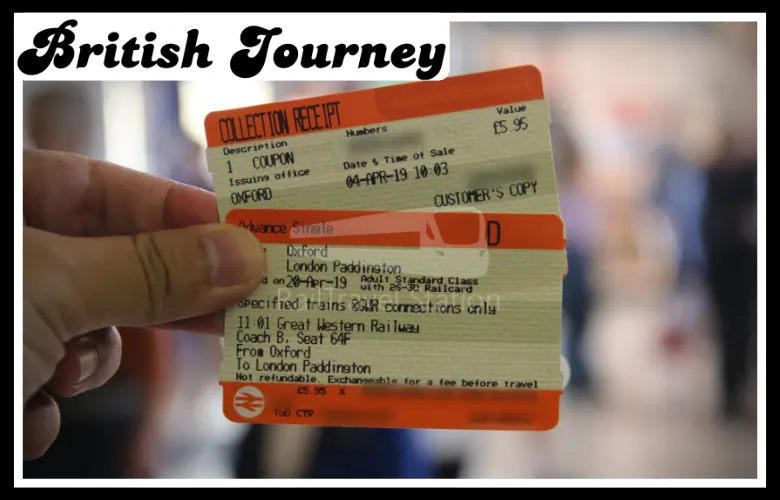
GWR train tickets are official rail travel passes issued by Great Western Railway that allow passengers to travel across one of the oldest and most historically rich rail networks in the United Kingdom. These tickets are used for a wide range of journeys, including daily commuting, long-distance travel, tourism, and business trips.
The pricing system behind these tickets is based on demand and timing, meaning that prices change depending on when and how you book. Early bookings usually offer significantly cheaper fares, while last-minute purchases tend to be more expensive. This system reflects modern digital pricing models but still operates across railway lines that have existed for more than a century.
Tickets can be purchased through the official website, mobile applications, station ticket offices, and automated machines. Today, digital tickets are widely used, allowing passengers to store travel passes on smartphones. However, many older stations along the route still retain traditional ticket counters and historic architecture, giving travellers a sense of stepping back into the early days of rail travel.
Types of Train Tickets and Fare Structure
Rail travel on this network is divided into several fare types designed to suit different passenger needs. Advance tickets are the cheapest option available, but they require passengers to travel on a specific train at a fixed time. These tickets are ideal for planned journeys and are usually released weeks or even months in advance. Because of their low price, they are often the first to sell out.
Off-peak tickets allow travel outside busy commuting hours, offering more flexibility at a reasonable price. These tickets are commonly used by tourists and leisure travellers who want to explore cities and countryside routes without paying peak fares. Super off-peak tickets are even cheaper but are limited to quieter travel periods, making them one of the most cost-effective options for flexible passengers.
Anytime tickets provide full freedom, allowing travel on any train during the selected day. While they are the most expensive, they are essential for business travellers or passengers with unpredictable schedules who require maximum flexibility.
Historic Railway Stations and Old Rail Heritage
One of the most fascinating aspects of travelling with GWR train tickets is the opportunity to experience historic railway stations that date back to the Victorian railway era. Many of these stations were originally built in the 1800s during the rapid expansion of Britain’s rail network and still retain their original architectural features.
Stations such as Bristol Temple Meads, Bath Spa, and Oxford are perfect examples of how old railway architecture has been preserved while being modernised for current use. These stations feature traditional stone structures, arched roofs, and long platforms that reflect the engineering style of early railway pioneers. Despite modern upgrades such as electronic displays and digital ticket gates, the historic charm of these stations remains intact.
Smaller rural stations along the network also carry strong historical significance. Many of these were once vital connections for industrial transport and rural communities. Although they have been modernised for safety and efficiency, they still reflect the original purpose of connecting remote towns during Britain’s industrial revolution. Travelling through these stations gives passengers a rare glimpse into the early development of rail transport.
Pricing System and How It Works
The fare system used for rail travel is dynamic and demand-based, meaning prices vary depending on time, demand, and seat availability. Peak hours, such as early morning and late afternoon, are the most expensive due to high commuter traffic. Off-peak hours are significantly cheaper, encouraging passengers to travel during quieter periods.
Passengers who book early can save between 30% and 60% compared to last-minute fares. Railcards, group travel discounts, and seasonal promotions also help reduce overall travel costs. This pricing structure is designed to balance demand while offering affordability for different types of passengers.
How to Book Train Tickets Online
Booking train tickets has become extremely simple due to digital platforms. Passengers can search routes, compare fares, and complete bookings within minutes using the official website or mobile app provided by Great Western Railway.
The booking process involves selecting departure and destination stations, choosing travel dates, comparing available fare types, and completing secure payment. Once confirmed, tickets are sent instantly via email or stored in the mobile app. This eliminates the need for paper tickets and makes travel faster and more efficient.
The mobile app also provides real-time travel updates, including platform changes, delays, and journey alerts. This is especially useful when travelling through older stations where platform layouts may be more complex.
Popular Routes and Historic Railway Lines
The rail network covers many important routes across southern England and Wales, including London Paddington to Bristol Temple Meads, London to Oxford, London to Cardiff Central, Reading to Exeter St Davids, Bath Spa to Bristol Parkway, and Swindon to London Paddington.
Many of these routes follow historic railway lines that were first constructed in the 19th century. These old rail corridors played a major role in connecting industrial cities, ports, and rural communities during Britain’s industrial revolution. Today, they continue to serve millions of passengers while preserving their historical importance.
Travelling on these routes allows passengers to experience both modern comfort and historic railway landscapes, including countryside views, old viaducts, and traditional station buildings that have stood for more than a century.
How to Save Money on Train Travel
Saving money on rail travel requires planning and awareness of available discounts. Booking early remains the most effective way to secure lower fares. Avoiding peak travel times also significantly reduces costs.
Passengers can use railcards to receive discounts of up to 34%, making travel more affordable for students, families, and senior citizens. Group discounts are also available for passengers travelling together. Split-ticketing, where a journey is divided into multiple segments, can sometimes reduce overall fares.
Key saving strategies include:
- Booking tickets in advance
- Travelling during off-peak hours
- Using railcards for discounts
- Comparing multiple train times
- Choosing return tickets instead of single fares
Onboard Experience and Comfort
Travelling with Great Western Railway offers a comfortable and modern experience while still connecting passengers to historic railway environments. Most trains are equipped with Wi-Fi, charging points, air conditioning, and spacious seating.
Quiet zones are available for passengers who prefer a peaceful journey, while standard seating areas offer a more social travel experience. Luggage storage and accessibility features ensure convenience for all passengers.
Even though trains are modern, the journey often passes through historic railway landscapes, giving passengers a unique combination of past and present travel experiences.
Benefits of Rail Travel in the UK
Rail travel offers many advantages compared to road and air transport. It is faster on many routes, avoids traffic congestion, and is more environmentally friendly.
Key benefits include:
- Wide national rail network
- Frequent train services
- Comfortable seating
- Easy digital booking system
- Access to historic railway stations and routes
Tips for First-Time Passengers
First-time travellers should always check train times in advance and arrive early at the station. Larger historic stations may have multiple platforms, so understanding station layout can be helpful.
Using the mobile app is highly recommended for live updates and journey tracking. Keeping digital tickets ready ensures smooth boarding and reduces delays during travel.
(FAQs)
1. What are gwr train tickets used for?
They are used for travelling across the UK rail network operated by Great Western Railway. These tickets cover journeys between major cities such as London, Bristol, Cardiff, Oxford, Bath, Reading, and Exeter, as well as many smaller historic railway towns.
2. How can I buy train tickets in the UK?
You can purchase tickets online through official railway websites, mobile apps, station ticket machines, or ticket counters. Digital tickets are the most convenient option as they can be stored on smartphones and scanned directly at barriers.
3. What is the cheapest way to travel by train?
The cheapest way is to book early, travel during off-peak hours, and use railcards. Advance fares usually offer the lowest prices, while last-minute tickets tend to be more expensive.
4. Can train tickets be changed or refunded?
It depends on the ticket type. Advance tickets are usually non-flexible, while off-peak and anytime tickets may allow changes or refunds, sometimes with an additional fee.
5. Do UK trains pass through historic stations?
Yes, many routes pass through old Victorian-era stations such as Bristol Temple Meads, Bath Spa, and Oxford. These stations combine historic architecture with modern facilities, giving passengers a unique travel experience.
Conclusion
In summary, travel by train in the UK is a seamless blend of comfort, convenience, and history. Thanks to the expansive train service provided by the Great Western Railway, individuals have a variety of connecting points to travel between major cities, seaside towns, and classic rail stations. There is a range of tickets, flexible pricing, and online booking systems that make it easy for people to plan their trips and keep costs low. However, there is also the opportunity to travel along classic rail lines with vintage train stations built during the Victorian era.